Programme 2022

TCC2022 · 17–19 October 2022

The programme

Day 1

Monday 17 October

09:00 – 12:00Workshop

Coins for Cash: What the Public Wants

This workshop is part of a series organised by the MDC’s Customer Task Force to gain a clearer understanding of the key issues affecting the different stakeholders for coins, namely national authorities (central banks), retailers/dealers and end-users (the public). The workshop – organised by Dieter Merkle of Schuler Group and also convenor of the MDC Taskforce – will bring together national authorities with others involved in the coin cycle to discuss the key issues and latest priorities for circulating coins, including their role in the cash cycle in times of crisis and the needs of the public.

Led by Dieter Merkle, ANDRITZ Schuler Pressen GmbH

13:00 – 17:00Workshop

Coins and the Environment

Coins have to be one of the earliest mass-produced products in history.  Despite this ancient lineage they remain a central and important part of everyday life.  As such they are also part of the sustainability story.  As we will hear in the main agenda of the conference, coins face similar pressures to all businesses with energy prices rising and consumer behaviour changing. This seminar will find out what central banks, coin producers and industry suppliers are doing to play their part in the sustainability story of making, circulating and managing the end of life of coins.

Read more

Coins have to be one of the earliest mass-produced products in history.  Despite this ancient lineage they remain a central and important part of everyday life.  As such they are also part of the sustainability story.  As we will hear in the main agenda of the conference, coins face similar pressures to all businesses with energy prices rising and consumer behaviour changing. This seminar will find out what central banks, coin producers and industry suppliers are doing to play their part in the sustainability story of making, circulating and managing the end of life of coins.

The seminar is structured in to three parts, the voice of a central bank, what three Mints are doing on sustainability and the contribution of suppliers to make a difference.

 The aim of the seminar is share experiences and consider best practice whether around policy, manufacturing or operations.  This is a conversation about what is possible so that we can all reduce our environmental impact.

Day 2

Tuesday 18 October

Session 1

Setting the Scene

08:30 – 10:15
  1. An Overview and Update of the Circulating Coin Landscape Astrid Mitchell, Currency News (United Kingdom)
    Abstract

    An Overview and Update of the Circulating Coin Landscape

    Since 2019, when the last Coin Conference was held, a lot has happened in the world of circulating coins – eg. COVID-induced disruption to normal payment channels and resulting problems with coin shortages, supply chain issues, rocketing inflation and rising costs for metals, a growing focus on sustainability and the environment, the continuing rise of alternative payments, digitisation and new technologies for both optimising the circulation of coins and replacing them.

    Several of these themes will be covered throughout the conference. This presentation will set the scene by providing a brief overview of these key developments, and how they are impacting circulating coins – for better and for worse.

    Astrid Mitchell
    Astrid Mitchell
    Astrid Mitchell is Chief Executive of Reconnaissance International. After gaining a degree in politics at Durham University, Astrid began her career in the industry as a researcher and analyst in the M&A department of De La Rue in 1983. She subsequently worked in a variety of marketing positions for the company before joining Applied Holographics (now OpSec) as Marketing Director. She then joined Security Printing Systems, the UK passport printer, and its parent, German banknote and passport printer Bundesdruckerei, working in marketing and the international expansion of its new business groups, including border management, biometrics and the Authenticare brand protection division. She joined Reconnaissance in 2002, and was responsible for the inception and launch of Currency News in 2003, a joint venture publication that covers currency (banknotes and coins) from cradle to grave. She is the Editor of Currency News, and Managing Editor of its sister publication Cash & Payment News. Astrid was also responsible for the company’s expansion into tax stamps and identity and is a regular contributor to Reconnaissance’s other monthly publications covering authentication, ID and secure documents, tax stamps and holography. She is also Conference Director for the biennial Coin Conference. Her particular strengths are strategic development, business development, marketing and communications.

    Download the slides PDF · 3.5 MB · delegates only

  2. A sustainable future for the Coin Industry Vincent van Hecke, Royal Dutch Mint (Netherlands)
    Abstract

    In 2017 the Royal Dutch Mint started an active pursuit of its ecological footprint. RDM became ISO 14001 compliant in 2017 and integrated ecological targets in its strategy and procedures. In 2020, RDM became the first energy neutral mint, after relocating to state-of-the-art facilities equipped with 1,700 solar panels on its roof. Also in terms of waste flows, emissions and energy consumption, RDM made important efforts to reduce its environmental impact. RDM can still gain in multiple fields, but for the most important gains RDM now looks at the broader supply chain.
    The Royal Dutch Mint believes that also raw material suppliers and central banks have an important role to play in the coin ecosystem. This presentation will explain the efforts that the Royal Dutch Mint has made as manufacturer and developments in the broader supply chain. Furthermore, this presentation will also discuss the role of central banks in the coin ecosystem and how their decisions impact their ecological footprint.

    Vincent van Hecke
    Vincent van Hecke
    Vincent holds Masters degrees in Economics, Engineering and Finance. After five years in the investment banking industry, he started in the coin industry as CEO and shareholder of Mauquoy Token Company and Royal Blanking in 2014. Two and a half years later, his company acquired the Royal Dutch Mint from the Dutch state and Vincent became the CEO. After going through a turnaround period and moving to a ultramodern building in 2020, the Royal Dutch Mint is now in excellent shape. Today, the Royal Dutch Mint has highly flexible and efficient operations, serving over 70 central banks across the globe.

    Download the slides PDF · 791.8 KB · delegates only

  3. The International Mint Directors Association – a New Force for the Industry, and for Sustainability in Coins Honey Mamabolo, South African Mint (South Africa)Michael Groves, Royal Canadian Mint (Canada)
    Honey Mamabolo
    Honey Mamabolo
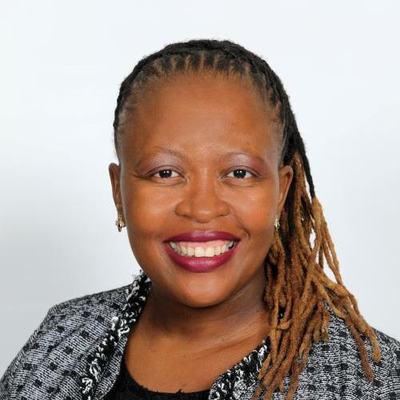
    H E K (Honey) Mamabolo (47) was appointed to the boards of the SABN and South African Mint on 12 March 2020. Ms Mamabolo is the Managing Director of the South African Mint. Prior to joining the Mint, she was Chief Executive Officer of Thebe Unico, a leading automotive and industrial chemical manufacturer. Before joining Thebe, Ms Mamabolo managed two clean energy debt funds at the Industrial Development Corporation (IDC) and was involved in renewable energy projects and corporate finance transactions. Prior to the IDC, she served as a Senior Energy Consultant and Director of Operations for Energy Solutions Africa, focusing mainly on energy policy design, implementation, and transaction advisory and donor fund management. Ms Mamabolo’s early career was spent in the retail banking sector as a business process engineer, business analyst and project manager. Ms Mamabolo has a BSc degree in Chemical Engineering and holds postgraduate qualifications in Financial Management, Strategy Planning and Change Management.
    Michael Groves
    Michael Groves
    Michael is the Senior Program Advisor, Sustainability and International Mint Liaison at the Royal Canadian Mint. He leads the Mint’s environmental, social and governance (ESG) commitment and supports the Mint’s role in the international minting community. Prior to his current role, he led the team responsible for identifying and executing on both short-term strategic initiatives, business challenges and long-term strategies for the Mint. Other roles at the mint have included responsibility for the Ottawa Manufacturing facility as well as the R&D and technical services teams where he focused efforts on blending solid business practices, teamwork, safety-focused behaviours, and innovative manufacturing processes to develop and deliver customer-centric products. Before joining the Mint, Michael worked for more than 13 years in a variety of roles in the forest products industry including environmental affairs, engineering, quality service and operational excellence. Michael is a registered professional engineer and graduate of the chemical engineering program at McGill University and the Master of Engineering program at the University of British Columbia. Michael is also a graduate of the MBA program from the Telfer School of Management at the University of Ottawa.

    Download the slides PDF · 296.2 KB · delegates only

  4. Disruption in Coin Circulation and Steps to Improve Resilience Brian Weaver, Federal Reserve Financial Services (FedCash) (United States of America)Kristie McNally, US Mint (United States of America)
    Abstract

    The Federal Reserve Bank and the U.S. Mint have engaged a third-party consultant to conduct a thorough analysis on the current state of the coin supply chain and provide recommendations for improving the circulation of coin throughout the supply chain within the United States to foster a more resilient supply chain and improve overall coin circulation for all participants to have sufficient supply and access to coin needed.
    Leaders from the Federal Reserve and U.S. Mint will co-present insights from this supply chain review, share a root-cause analysis of the massive circulation disruption, and provide an understanding of how COVID-19 accelerated secular trends with currency and coin across the supply chain.

    Background
    During the COVID-19 pandemic, we have observed significant disruptions in the supply chain and normal circulation patterns for U.S. coin. Financial institution coin deposits to the Federal Reserve Bank (FRB) dropped to 40 to 50 percent below 2019 volume at the start of the pandemic and have not yet recovered to pre-pandemic levels. Coin orders received by the FRB also dropped at the start of the pandemic but returned to pre-pandemic levels starting around March of 2020 due to increased demand in anticipation of reopening after the initial lockdown. Under pre-pandemic circumstances, the FRB held approximately 6 months of inventory at any given time. The increased order volume and lack of deposits to the FRB created a gap of as much as 3.5 billion coins per month between coin demand and available supply, quickly depleting FRB and U.S. Mint contingency coin inventory and causing the FRB to implement coin order limits to equitably allocate available coin.
    Economic and behavioral changes resulting from the COVID-19 pandemic as well as shifting business and consumer payment preferences and decisions, suggests most of these coins are sitting dormant inside America’s 128 million households. As people have changed their spending habits, and coin-intensive businesses and financial institution branch locations have been less accessible, it is believed a significant amount of the nation’s coin is likely pooling in change jars, in car cup holders and in shuttered businesses, making it difficult for the businesses of this country to get the coin that they need to support cash transactions.

    Brian Weaver
    Brian Weaver
    Brian leads the FedCash Services National and Strategic Operations, Business Resiliency and Risk Management Programs. During events that impact the provisioning of Cash Services, Brian serves as the event manager, coordinating national response and helping to bring cash industry partners together to foster effective communications and speedy recovery. Working with internal and external stakeholders, he guides currency and coin distribution, which includes offsite arrangements throughout the country that facilitate storage and distribution during normal business and in times of stress. Prior to joining FedCash Services (formerly known as the Cash Product Office) in 2016, Brian was as assistant vice president with the Customer Relations and Support Office of the Federal Reserve Bank of Chicago, where he was responsible for setting product strategy for the suite of electronic access services which enable financial institutions to conduct daily business with the Federal Reserve. During his 22-year tenure with the Federal Reserve, he has also held leadership roles in the bank’s National Marketing, National Sales, Payments Product Development, and Currency Processing divisions. Brian holds a bachelor’s degree in Economics from Claremont McKenna College, and a Master of Business Administration from the Foster School of Business at the University of Washington. Brian is an Eagle Scout and currently serves on the Executive Board of Golden Gate Area Council of the Boy Scouts of America.
    Kristie McNally
    Kristie McNally
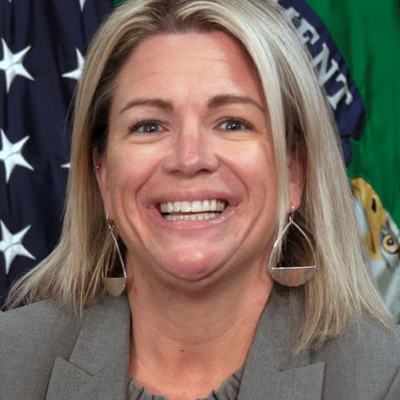
    Kristie McNally joined the Mint in September 2014, and currently serves as the Deputy Director. Previously she was the Mint’s Chief Financial Officer (CFO). In this role, she functioned as Associate Director for the Mint’s Financial Directorate – which is comprised of the Procurement, Accounting, Support Services and Policy, Planning, and Budget Divisions. Additionally, Kristie provided management oversight of the Mint’s travel program. Kristie also served as Deputy Chief Financial Officer and Controller. Prior to joining the Mint, she was the Deputy CFO at Federal Prison Industries (FPI) within the Federal Bureau of Prisons. Kristie began her federal career in 2001 as an Accountant with FPI at the Federal Correctional Institution in Milan, MI where she supervised inmates performing accounting duties while also fulfilling the obligations of a correctional worker. She progressed to positions of increasing responsibility, transferring to FPI’s Central Office Washington, DC in 2005. Kristie served in several positions, including Operating Accountant, Industrial Specialist, and Chief of Corporate Reporting before being selected as Deputy CFO. Kristie served 13 years as Federal Law Enforcement Officer before her transfer to the Mint. Kristie graduated Cum Laude from Northwood University with a Bachelor’s of Business Administration with dual majors in Banking & Finance and Management. Additionally, she completed the Senior Executive Fellows Program at the Harvard Kennedy School of Executive Education, Leadership for a Democratic Society at the Federal Executive Institute, and received an Executive Women in Leadership certificate through Cornell University. Kristie also is Lean Six Sigma Green Belt certified. She lives in Spotsylvania, Virginia with her husband and their two children.

    Download the slides PDF · 1.6 MB · delegates only

Q&A
Session 2

Cash and Coin Demand

11:00 – 12:40
  1. Cash and Coin Usage Before, During and After the Pandemic Franz Seitz, Weiden Technical University of Applied Sciences (Germany)
    Franz Seitz
    Franz Seitz
    Professor Franz Seitz teaches Economics with a special focus on Monetary Policy and Financial Markets at Weiden Technical University of Applied Sciences in Germany. He is author of numerous articles in national and international journals. His main fields of research are monetary theory and policy, financial markets as well as payments markets, especially cash in circulation. For many years now, Professor Seitz is acting as a consultant in different projects for central banks, commercial banks and financial as well as non-financial corporations.

    Download the slides PDF · 1.4 MB · delegates only

  2. Demand Issues for the Mexican $20 Peso Coin Alejandro Alegre, Banco de México (Mexico)
    Abstract

    Most of the Mexican coins have kept the same characteristics since more than 12 years, meanwhile new developments are available in the coin industry. Aiming to offer coin users an increasingly useful and higher quality product, Banco de México is pursuing to improve the features of Mexican coins, as well as to reduce their production costs by using alternate alloys.
    In turn, in the recently issued G banknote series a 20-peso banknote was not considered, instead it was planned to meet the demand of this denomination solely with coins due to reasons of quality, costs and user preferencences.

    Alejandro Alegre
    Alejandro Alegre
    Mr. Alejandro Alegre is 58 years old; he is a lawyer, worked during 14 years at Civilian Intelligence Services in México. He was General Director of Planning Center for Drug Control, the Intelligence Agency of the Office of the Mexican Attorney General and also General Director of the National Security Intelligence Center (CISEN). Since 2001 he has been working in Bank of Mexico, where he has been Advisor to the Board of Governors, Security Director, General Director of Planning and Budget and since 2011 he is General Director of Currency Issuance and Main Cashier. Since 2011 he is member of the board of the Mexican mint.

    Download the slides PDF · 2.8 MB · delegates only

  3. Behaviour and Evolution of the Cash Payment Trends in France 2021 and 2022. Marc Schwartz, Monnaie de Paris (France)
    Abstract

    According to qualitative and quantitative studies performed by the consumer research institute IFOP for the Monnaie de Paris, in April 2021, the French are firmly attached to cash, even after the Covid-19 pandemic.
    This study delivers detailed data in the following essential fields :

    – More than 8 out of 10 French Citizens are attached to cash.
    – Cash is inter-generational.
    – Cash is a safeguard against a fully-digital world.
    – Cash is an enabler of social connections.

    ‘This 2021 study confirms the attachment of the French population to cash payment despite the development of digital alternatives. Freedom of choice concerning forms of payment remains at the backbone of trust in cash more than ever before. The study also shows that physical currency is seen as easy and practical and an enabler of social connections. Beyond its daily usage, cash continues to play a role in our society concerning intergenerational transmission, pedagogy, and solidarity, This study will be updated with the 2022 fresh Data, in exclusivity for The Coin Conference 2022 attendees.

    Marc Schwartz
    Marc Schwartz
    Marc Schwartz, born in 1963 in Paris, is Chairman and Chief Executive Officer of La Monnaie de Paris (National French Mint). He was appointed by decree of the French President, Emmanuel Macron, in November 2018. He is also Senior Counsellor at the Cour des Comptes (French Court of Audit) and a lecturer in media and cultural industries economics at Sciences Po Paris. Marc Schwartz started his carrer as an Auditor at the Cour des Comptes in 1988 and joined the Treasury Department in 1992 before his appointment as Economic and financial Counsellor for South-East Asia at the French Embassy in Singapore in 1994. He was advisor to the Minister of Economy, Finance and Industry and the Secretary of State for the Budget from 1997 to 2000. He then joined France Télévisions, as Chief Financial Officer before being promoted to Deputy Chief Executive Officer. In 2010, he became a partner withing the audit and consulting firm Mazars, in charge of Public Sector and Media. He returned to the Cour des Comptes in 2014 and has carried out numerous official missions. From May 2017 to January 2018, he was Chief of Staff to the Minister of Culture, Françoise Nyssen. He holds a bachelor’s degree in Economics and Public finance (Sciences Po Paris) and a master’s degree in Corporate finance. He also graduated from Ecole Nationale d’Administration the French School for Public administration.

    Download the slides PDF · 2.5 MB · delegates only

  4. DNB’s Role in Coins in the Netherlands Igo Boerrigter, Dutch National Bank (Netherlands)
    Igo Boerrigter
    Igo Boerrigter
    Igo Boerrigter has been working as a policy advisor at De Nederlandsche Bank since the start of 2019. He received a Master’s degree in product development and design with research on the “Future of cash”. He combines his research on the cash cycle, cash users, banknotes and coins to reach new developments that ensure a future for cash.

    Download the slides PDF · 1.1 MB · delegates only

  5. New Initiative for the Mint Industry Martina Horakova, International Mint Industry Association (France)
    Martina Horakova
    Martina Horakova
    Martina Horáková is the managing director of International Mint Industry Association (IMIA), an advocacy for cash and coin access and acceptance. She has over 15 years of experience as central banking and regulatory specialist and previously worked for a decade at Central Banking Publications, before founding her own consulting and research company, focusing on cash, digital payments and central bank digital currency. Ms Horáková has produced numerous analytical articles, as well as a book ‘Financial independence and accountability’ for central banks. She studied economics at FU Berlin and holds an MSc in development economics from SOAS University of London.

    Download the slides PDF · 1.3 MB · delegates only

Q&A
Session 3

Coin Circulation Initiatives

14:00 – 15:20
  1. New Initiatives for an Efficient Coin Cycle in Spain Beatriz Guia, Banco de España (Spain)
    Abstract

    The aim of the presentation would be to give a picture of the situation of coin circulation in Spain, especially focused on the description of COVID-19 impact and post-pandemic landscape in distribution, volumes of circulation, use of coins and inventories. Some figures of national coin circulation in the context of the Eurosystem would be provided. A review of the Spanish coin cycle and agents involved would be included, with special attention to the role of BdE in it, through the activity of our headquarters and branches, and the latest initiatives implemented (new cash management system, new software application to register and manage coin requests, installation of coin collection machines, etc.). Finally, foreseeable evolution and future challenges would be tackled.

    Beatriz Guia
    Beatriz Guia
    Graduate in economic sciences and business from the Complutense University in Madrid. Works in the Bank of Spain since 1999. Initially worked on the assets range, as operator of the system of Corresponding Central Banking Model(CCBM). In 2003 incorporated into the payment area, as operator of the payment system (Target). By which every large national and cross-border payment are settle by a unique platform. Since 2020 develops her job in the Cash and Issue department, as responsible for the implementation of the policy of the circulation of coins by the Treasury. Moreover, carries out the monitoring of the circulation of currency and manages the relationship with external agents for it's distribution and recirculation.

    Download the slides PDF · 866.8 KB · delegates only

  2. An innovative Solution to Coin Circulation in Poland Krzysztof Kowalczyk, Narodowy Bank Polski (Poland)
    Abstract

    Self-service machines have been in operation at the regional branches of Narodowy Bank Polski since January 2021. The machines enable customers to deposit large numbers of coins quickly and conveniently, and subsequently withdraw the equivalent amounts in selected denominations in NBP cash desks, or make a transfer to a bank account via the Polish system of instant payments BLIK. Queues of customers waiting to use the devices and 350 million coins obtained in the first seven quarters of the operation of the machines are evidence of an enormous interest of the public in the service. During the presentation, you will learn how the project was launched and how the service is provided. The benefits of the service will be presented, including savings made in the costs of purchasing coins. The challenges and problems which had to be overcome during the project implementation, as well as plans of further development of the service will also be discussed.

    Krzysztof Kowalczyk
    Krzysztof Kowalczyk
    Krzysztof has 18 years of professional experience as a Narodowy Bank Polski employee, having held managerial and expert positions in the Security Department and the Cash & Issue Department. He has overseen a number of projects in the area of currency logistics, including the repatriation of 100 tonnes of gold to Poland. He was also responsible for securing a continuous provision of cash to the market during crises caused by the COVID-19 pandemic and the Russian military aggression against Ukraine. He has developed and implemented a number of innovative projects, including re-circulation of coins using self-service devices, and the programme of exchange of Ukrainian hryvnia to Polish zloty for refugees from Ukraine. In the past, he was a cash manager in Poland’s biggest commercial bank. A banking graduate of the SGH Warsaw School of Economics and the Institute of Applied Social Sciences of the University of Warsaw.

    Download the slides PDF · 4.6 MB · delegates only

  3. Circulating Coins in the Philippines – New Measures to Improve Coin Circulation Mary Anne Lim, Bangko Sentral ng Pilipinas (Philippines)
    Abstract

    The presentation highlights the initiatives being undertaken by the Bangko Sentral ng Pilipinas (BSP) to improve coin recirculation, among others, in response to challenges posed by the inherent geographical configuration of the country. As an archipelagic country with varied currency requirements across the different regions, cities and provinces and the logistical constraints in the transport of coins vis-a-vis banknotes, the BSP needs to carefully determine and facilitate the use of the most appropriate modes of transport to effectively service the requirements of the general public across the country. Among the impactful projects of the BSP that are geared toward improving the efficiency in the circulation of currency, the Cash Service Alliance initiative is noteworthy. This project has instituted a robust process of direct currency exchanges amongst banks. In terms of volume, the impact is largely greater in banknote transactions compared to that of coins. It is expected that CSA transaction for coins will pick up, together with the seemingly increasing demand for coins given the relaxation of protocols amidst the plateauing of CoViD-19 cases in the country, compared to the period during the height of the pandemic. Further, this presentation will include a discussion of the BSP’s coin recirculation program.

    Mary Anne Lim
    Mary Anne Lim
    Ms. Mary Anne P. Lim is a member of the Philippine Bar and was a practicing lawyer before joining the Bangko Sentral ng Pilipinas (BSP) in December 2011. Currently, she is the Managing Director of the Currency and Securities Production Sub-sector (CSPSS) of the BSP managing the operations relating to the production of Philippine currency banknotes and coins as well as presidential medals, state decorations, commemorative banknotes, and coins/medals. Additionally, she oversees the modernization of equipment and plant facility, acquisition of new equipment, and new processes and current technologies related to currency and securities production.

    Download the slides PDF · 2.8 MB · delegates only

  4. Travellers Tales – Repatriating Coins from Around the World Scott Hutchings, Global Coin Solutions (United States of America)
    Abstract

    It has been reported that there is close to £2.0 Billion worth of foreign currency in the U.K. Global Coin Solutions estimates that $2-$3 Billion sit in homes and businesses across Canada; between $10-$30 Billion is in the U.S.
    Under normal circumstances, once coin leaves its “home” country, it is gone forever. This is not good for cash circulation. Recently we have seen coin circulation challenges in both the U.S. and the U.K. Tourism is a huge industry for both of those countries and as such, a large amount of their coin leaves the country in the pockets and purses of their visitors. The question is: what happens to these coins?
    Some are kept as souvenirs. Some wait for the next trip back (and never make it). Some are thrown away during spring cleaning or when preparing for a move (how long will a coin last in a landfill?).
    Some are used to fund charity work. This is the only avenue that repatriates those coin.
    If the coin industry promoted this concept, it would help optimize coins in circulation, ensure recirculation, and minimize the impact on our environment.

    Scott Hutchings
    Scott Hutchings
    Scott Hutchings is the Founder & President of Global Coin Solutions, specializing in the processing and repatriation of mixed / foreign currency for charity. Scott has been handling foreign currency for the past 9 years and began Global Coin Solutions in February of 2015. Global Coin Solutions was founded on 2 principles: to help charities and putting Canadians to work. The formula is straightforward; the more charities we help, the more money is raised, and the more people it takes. Global Coin Solutions hires people with Autism for their unique abilities. Global Coin Solutions has processed over $16.0 MILLION and returned over 200,000kgs of mix / foreign currency to circulation. None of the currency we handle ends up in landfills or melted down, making it an environmentally friendly initiative. Global Coin Solutions focuses on creating a market for fundraising within the charity sector. We also support banks, armored car companies, domestic coin processors, and transit organization, among others by processing the foreign currency they encounter and returning value in domestic funds.

    Download the slides PDF · 1.5 MB · delegates only

Q&A
Session 4

Coin Management and Optimisation

16:05 – 17:45
  1. Progress on converting banknotes to coins and a live example from Ghana Simon Lake, The Royal Mint (United Kingdom)Dominic Owuso, Bank of Ghana (Ghana)
    Abstract

    Over the last fifteen to twenty years the note coin boundary has moved significantly towards lower value banknotes resulting in an inefficient and imbalanced currency structure in many countries. During the last 5 years many Central Banks have taken the decision to convert one or two of their low value banknotes to coins and Simon Lake will explain why they changed. He will also present the coins that have been issued during this period including coins from Ghana. His co-presenter, Dominic Owusu from the Bank of Ghana will talk about their new 2 Cedi coin whilst at the same time describe how the conversion from a banknote to a coin created many benefits..

    Simon Lake
    Simon Lake
    Simon Lake has worked at The Royal Mint for over 35 years and has extensive experience of dealing with issuing authorities around the world. He works closely with his team to drive coinage change and has been instrumental in helping more than 100 countries switch from homogeneous materials to plated-steel coins, with customers making significant cost savings as a result. Together with The Royal Mint’s team of experts across all elements of coin production, and partners in vending and coin sorting industries, Simon helps central banks and mints choose coinage materials that meet the demands of their budget holders, commercial banks and general public. Where more and more alternative methods of payments and more durable banknotes are available, Simon continues to provide numerous arguments for adopting high value coins instead of low value notes.
    Dominic Owuso
    Dominic Owuso
    Dominic Owusu completed BSc Electrical and Electronic Engineering in with 1st Class Honours at the Kwame Nkrumah University of Science and Technology (KNUST) in 1999/2000. He qualified as a Microsoft Certified Systems Engineer in 2001 and Robotics and Automation Engineer in 2002 in the USA. In 2003, Dominic Owusu was employed as an Officer in Bank of Ghana Currency Management Department. He has been involved with the Currency Automation Activities, Enforcement of Policies and Compliance issues in the area of Currency Management, Redenomination of the Currency in 2007, Introduction of New Currencies, Denominations and Upgrades, Standardization and the Enforcement of Clean Note Policy within the Banking Industry, etc. He has risen through the ranks to the position of Assistant Director and he is the Head of Currency Processing Operations in Bank of Ghana. He has completed MSc Finance at the Ghana Institute of Management and Public Administration (GIMPA) and currently on the GIMPA PHD Finance program. He is also a Council member on the Board of the Pentecost University. He is married to Mrs Ruth Owusu and has been blessed with four children.

    Download the slides PDF · 4.4 MB · delegates only

  2. Removing Low Denomination Coins Ricardo Mendez Barrera, Casa de Moneda de Chile (Chile)
    Ricardo Mendez Barrera
    Ricardo Mendez Barrera
    A Statistical Engineer, he is a specialist in process improvement through Quality and Operational Excellence tools, with a postgraduate degree in Black Belt Six Sigma, to improve productivity and the atmosphere of organisations, achieving long-term involvement of their staff. He has worked with these methodologies to achieve a structural model, processes and systems that are integrated to achieve maximum results for the business in terms of Key Value Driver and Key Cost Driver. The process involves thinking outside the box, encouraging innovation to change existing paradigms in the operation. Experience in different Printing Systems, Team Training and Leadership and Union Negotiations. He is currently Chief Operating Officer at Casa de Moneda de Chile, in charge of 5 Production Plants (Banknotes, Coins, Patent Plates, Medals and Other Security Printing). Ingeniero Estadístico, especialista de Mejoramiento de procesos a través de herramientas de Calidad y Excelencia Operacional, con un Postgrado en Black Belt Six Sigma, para mejorar la productividad y el clima de las organizaciones logrando un involucramiento sostenible en las personas. Ha trabajado con estas metodologías para lograr un modelo estructural, procesos y sistemas que se integren logrando máximos resultados para el negocio en cuanto a Key Value Driver y Key Cost Driver. El modelo da como resultados pensar fuera de la caja, incentivando la innovación para cambiar los paradigmas existentes en la operación. Experiencia en distintos Sistemas de Impresión, Formación y Liderazgo de equipos y Negociaciones Sindicales. Actualmente se desempeña como Chief Operating Officer en Casa de Moneda de Chile, a cargo de 5 Plantas Productivas (Billetes, Monedas, Placas Patentes, Medallas y Otros Impresos de Seguridad).

    Download the slides PDF · 2.8 MB · delegates only

  3. Cooperation to Mitigate Excess Coin Stocks Ana Olivia Pinto Pereira, Bank of Portugal (Portugal)
    Abstract

    Environmental sustainability, social inclusion and good governance practices are unavoidable topics nowadays. Despite the increased focus on the environmental component, social and governance pillars are also relevant to central banks, both by virtue of their mission and from a “leading by example” perspective.

    Over the past three years, Banco de Portugal has been working more intensely in the areas of environmental sustainability and sustainable finance. In the area of social responsibility, Banco de Portugal has continued to support socially responsible causes and to promote economic and financial literacy. The Bank has also improved its governance model to meet the demands arising from new tasks assigned and from digital transformation.

    Regarding cash, in general, and coins in particular, some of the initiatives to reduce the environmental footprint were implemented even before concerns about enhancing social responsibility and sustainability have been declared by the Bank as a strategic priority. Optimization of the coin cycle, recycling and renewable energies are the major fields of intervention of the cash department from the environmental point of view.

    Acknowledging that those initiatives are only small steps towards a more sustainable world, our commitment is to be aware, to cooperate and to act to build a better and more responsible future.
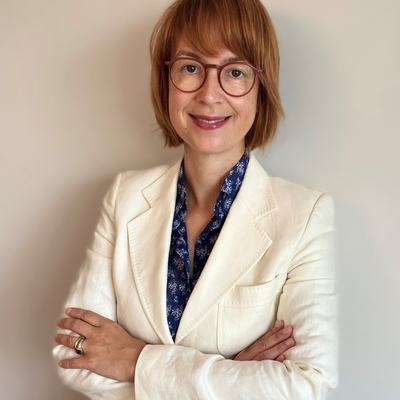
    Ana Olivia Pinto Pereira
    Ana Olivia Pinto Pereira
    Ana Olívia Pereira holds a Bachelor degree in Economics and a Master’s in Finance from the Faculty of Economics of the University of Porto. She has been working at Banco de Portugal for 22 years and since 2014 she has been Deputy Head of the Issue and Treasury Department. Ana Olívia lives in Porto and she is responsible not only for the Porto Branch, but also for all the other Regional Branches of Banco de Portugal, from North to South of the country and also the islands. She has been a guest lecturer at Porto Business School since 2004. For the last 9 years, she has represented Banco de Portugal at the Euro Coin SubCommittee, a working group of the Economic and Financial Committee of the European Commission, which brings together representatives from the national coin-issuing authorities in EU countries. She is married and a mother of two 16-year-old twins.
    Download the slides PDF · 1.1 MB · delegates only

  4. Revitalizing Circulation Coins – The Case for Currency Redesign Jeff Hanke, Royal Canadian Mint (Canada)
    Jeff Hanke
    Jeff Hanke
    Jeff Hanke joined the foreign business line of the RCM in December, 2008. In this time Jeff has worked on accounts in nearly every region of the world. While his primary focus is currently on the Asia/Pacific region, Jeff maintains several key accounts in Africa as well as the Americas. Prior to his time at the mint, Jeff worked as a project director for Impact Media International, a subcontractor of Forbes Magazine. During this time, Jeff established on-site business units in several countries around the world, to conduct research and sell advertorials and economic profiles to be published in Forbes Magazine. Jeff holds a Bachelor of International Business from Carleton University in Ottawa, Canada.

    Download the slides PDF · 7.1 MB · delegates only

  5. Evolution of the Coin Series in Tunisia Mehdi El Ouardighi, Monnaie de Paris (France)Jihene Maatar, Central Bank of Tunisia (Tunisia)
    Abstract

    The Central Bank of Tunisia has committed itself over the last decade to a complete and progressive overhaul of its coins series, with the support of its historical partner Monnaie de Paris.
    Thanks to technical meetings and alternative scenarios that allowed it to project and evaluate concretely the gains of sustainability and savings related to this project, the Central Bank of Tunisia has opted for the stainless steel for its high denominations of white colour, which allowed it, for example, to relaunch the production and circulation of the coin of 5 Dinars, in co-circulation with the bill of the same value.

    Mehdi El Ouardighi
    Mehdi El Ouardighi
    Mehdi El Ouardighi has joined Monnaie de Paris in 2018 and was appointed Sales Deputy Director in 2020. More specifically, he is in charge of commercial relations with central banks in the Middle East and Africa, thanks to his expertise in export business development on these areas. Prior to joining Monnaie de Paris, he gained strong expertise in brand management and commercial project development in international companies including the Apple branch dedicated to the Middle East, Eastern Europe and Africa. Mehdi holds a Master’s degree in Business Administration from HEC Lausanne in Switzeland.
    Jihene Maatar
    Jihene Maatar
    Jihen Maatar is the manager of the fiduciary circulation service in the General Cash and Branches Department in the Central Bank of Tunisia. She joined the Central Bank of Tunisia in 2016 and her work consists of establishing the statistics relating to the cash in circulation and forecasting the needs in banknotes and coins. Jihen has a professional master degree in accounting, control and audit and worked in an accounting firm for 2 years before joining the Central Bank of Tunisia. During her work at the accounting firm, she participated in the editing of specialized books and magazines. You can reach her at the following address : [email protected]
    Download the slides PDF · 2.8 MB · delegates only

Q&A

Day 3

Wednesday 19 October

Session 5

Technology

09:00 – 10:20
  1. Innovations in Coin Security Paola Martinez, ARTAZN (United States of America)
    Abstract

    Counterfeiting presents a considerable threat to public confidence and is further exacerbated during economic recessions. Significant progress has been made in recent years towards reducing counterfeiting, however, many of these improvements are quickly countered by criminals. This presentation will cover coin authentication techniques, the challenges in mitigating counterfeiting activity, as well as the security advantages of zinc-based coins versus other material options. Combining security features such as zinc-based options with elaborated construction and overt features results in a secure coin currency which will be especially important when Central Banks and Monetary Authorities evaluate their banknote-coin boundary.
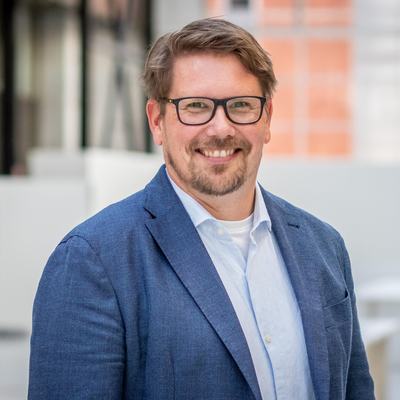
    Paola Martinez
    Paola Martinez
    Paola Martinez Dominguez joined Artazn as Director of International Coinage in July. She is a sales and marketing professional with over 13 years of experience in the mining and metals industry. Her previous work experience includes Business Development, Sales and Marketing Manager roles at US Zinc as well as Marketing and Product management roles at BASF. She also worked at Rio Tinto as Marketing Analyst for Molybdenum and Rhenium. Paola received a Bachelor's in Economics from Monterrey Tech and holds a Master’s degree from University of St. Thomas and an MBA from University of Notre Dame.
  2. Coins for Cash – Introduction of the Schuler Coining Center M2R with inline inspection Dieter Merkle, Schuler (Germany)Guenther Waadt, Bavarian Mint (Germany)
    Abstract

    Introduction of the Schuler Coining Centre M2R with inline inspection including customer’s perspectives regarding Tri Material Coin
    Schuler’s latest coining centre M2R combined with integrated inspection systems, including the advantages which Industry 4.0 offers, ensures the supply of coins with proven quality, just in time and at the highest possible efficiency.
    The combination of production processes goes far beyond the simple coining process. The State Mints of Baden-Wuerttemberg and the Bavarian State Mint have gained experience with the delivered coining centres and are happy to share their experience and provide feedback on the production of 2 Euro coins, as well as of 5 and 10 Euro, the so-called “Tri Material Coins”.
    Both Government Mints were highly involved in the development of these innovative Tri Material Coins (TMC), which have the special feature that the ring and core are separated by a high-quality translucent polymer ring. The unique polymer technology is a global pioneer for the coin industry. The development groups dedicated many years of research to producing a polymer ring which is implemented into the coin during the striking process. The translucent polymer is not only impressive due to its distinctive appearance, but it offers hitherto unrivalled security to protect the coin from forgery. Since the feature is virtually impossible to imitate by today’s counterfeiters it closes the security feature gap between coins and banknotes.

    Dieter Merkle
    Dieter Merkle
    Dieter Merkle has been working with Schuler Presses since 1975. Today Dieter Merkle is the Director Global Minting of the Schuler Group. Besides, he has been in the board of Schuler India since 2004 and again Chairman since January 2020. Dieter Merkle has been active member of the Mint Directors Conference (MDC) Technical Committee and has also been entrusted with the organization and moderation of the Technical Forum of the World Money Fair since 2004. The MDC Member Mints started in May 2016 a Customer Task Force which is headed by Dieter Merkle to create awareness in the industry and connect to the customer base. Starting 2017, Dieter Merkle is representing the Schuler Group within the International Currency Association, since May 2017 as a board member
    Guenther Waadt
    Guenther Waadt
    Günther Waadt graduated in mechanical and economical engineering. In 1998 he was appointed as Director of the Bavarian State Mint. Since 1998 he held several posts within international committees like the Mint Directors Working Group (MDWG), the MDC and the Technical Committee of the MDC. Since 2011 Günther Waadt is Vice – President of MDWG.

    Download the slides PDF · 5.9 MB · delegates only

  3. Environmentally and Health Friendly Solutions to Coin Die Production Niklas Harzer, Platit (Switzerland)
    Abstract

    Worldwide, coin die manufacturers are facing a big challenge: the transition from traditional electroplated hard chromium towards new, more environmentally and health friendly hard coating technologies. Platit meets this challenge. In close collaboration with some of the leading coin die manufacturers in the world we developed the S-MPuls – our highly sophisticated and easy to use In-House PVD-hard coating system dedicated for coin dies.
    The S-MPuls features our newly developed high quality coin die coating PLATIT CERAMICOIN – a 100% Cr-free PVD coating with an extremely broad application range. Within a single batch it can be utilized for both, circulation and proof coin dies as well as for all coin materials. The entire process is environmentally and health friendly as no harmful substances and emissions are produced.
    The Platit S-MPuls is the centerpiece of a dedicated turnkey system that further consists of tailored cleaning technology, optional decoating unit and quality control system – all designed to enable the coin die manufacturer to control the entire process chain in-house from start to finish

    Niklas Harzer
    Niklas Harzer
    Niklas Harzer works at PLATIT for 2,5 years now in the position of CMO. His main responsibilities summarize in all customer- and market oriented activities of PLATIT AG, such as global marketing, product management, sales and after-sales services. He works in the tool and PVD industry for more than 10 years now, moving originally from steel sales and heat treatment services into PVD job coating sales. After building up an international team of sales executives in his previous roles as head of sales, he visited various mints already. In his talk Niklas Harzer will present the latest PLATIT development: the PVD coating system S-MPuls including the new sputtered coating Ceramicoin.

    Download the slides PDF · 5.9 MB · delegates only

  4. The Fascinating Features of 3-D Optical Inspection Ingo Loeken, Spaleck (Germany)
    Abstract

    Optical control by human beings is often the most adequate and always available means to control quality. But that medium is a very cost expensive and at the same time a very inaccurate tool, especially when you have to deal with zero error tolerance claims and time critical processes and large quantities.
    In order to gain robust and reliable knowledge of product quality of coins and coin blanks, Spaleck Oberflächentechnik GmbH & Co. KG has invested in the field of optical inspection technology in 2021, by the acquisition of the InduVIS technology. The new branch is called Spaleck Inspection Technology (SIT).
    SIT is consisting of the mechanical transportation system of workpieces and the camera and analysing module. Both can be adjusted and adapted on specific customer needs. The system meets the market need for integrated production systems, where quality control is a self-evident part of production, and it is able to deliver a 100% control including full digital documentation.
    SIT is not only capable to use normal light but also laser analysis in order to perform 2D and even 3D camera technology. 3D technology is able to measure exact geometrical features of a workpiece in milliseconds from both sides of a workpiece. This feature is essential to assess the relief quality and relief height.

    Ingo Loeken
    Ingo Loeken
    Mr. Ingo Löken joined Spaleck as an apprentice to become a millwright from 1989 to 1993. Subsequent after his practical education, he went to the University of Osnabrück to become an engineer for material science. Mr. Ingo Löken worked for 11 years at the company Quadrant. He covered production and sales positions in the field of medical polymers. Since 2009 he is acting as a Sales Engineer for the minting industry within the Spaleck organization.

    Download the slides PDF · 7.4 MB · delegates only

Q&A
Session 6

Metals, Costs and Recycling

11:05 – 12:05
  1. US Mutilated Coin Program – Challenges and Opportunities Jon Cameron, Cameron Associates (United States of America)
    Abstract

    Problem Statement: Well before sustainability became a focus for many organizations, the United States Mint provided the U.S. mutilated coin program that allowed these coins to be recycled into metals often used in the production of new coins. Unfortunately, bad actors have disrupted the U.S. Mint mutilated coin program as well as mutilated programs in place in other countries by submitting mutilated counterfeits as genuine coins seeking the face value of the metals rather than the scrap or recycled metal value.

    Presentation Purpose: This presentation will review the definition for mutilated coins and the history of the U.S. program. In addition, the presentation will look at the challenges that influence mutilated coin programs such as bad actors, face value compared with scrap/recycle value, other regulations that affect the handling of mutilated coins.

    Conclusion: The presentation will offer opportunities for the future of the U.S. mutilated coin program through potential policies that allow the U.S. Mint to resume the program and meeting its early adoption of sustainability of U.S. coins.

    Jon Cameron
    Jon Cameron
    With a unique perspective for precious metals, banknotes, and coins, he led the United States Mint’s Numismatic and Bullion programs and the BEP’s printing and engraving operations in Washington, DC. Prior to Treasury, his Federal Reserve cash experience included the perspective of the Federal Reserve Board and Reserve Bank cash operations. From 2000 -2006, he served as Director of ICAP, a U.S. government task force studying the use of U.S. currency and counterfeiting outside the United States. In 2018, he started Cameron Associates LLC and consults with the cash and precious metals industries.

    Download the slides PDF · 1.4 MB · delegates only

  2. XCarb®: Towards carbon neutral steel Hugo Campos, Arcelor Mittal (Luxembourg)
    Abstract

    Steel is one of the world’s most prolifically used materials, with 1.9 billion tonnes produced every year. Although steel emits less carbon than many other materials, the scale of global steel production means the industry accounts for 7% of the world’s greenhouse gas emissions.

    With global steel demand expected to increase to 2.6 billion tonnes by 2050, the steel industry has an important contribution to make if the world is to meet the objectives of the Paris Agreement.

    At ArcelorMittal, our goal is to help build a better world with smarter steels. Steels made using innovative processes which are more efficient, use less energy, and emit less carbon.

    Our XCarb® brand is designed to bring together all of ArcelorMittal’s reduced, low and zero-carbon products into a single effort focused on achieving progress towards carbon neutral steel.

    Hugo Campos
    Hugo Campos
    Hugo is an expert in environmental sustainability. He joined ArcelorMittal in 2015 and has held various sustainability-related positions within the company, with a focus on climate strategy and decarbonisation. In 2020, he joined the ArcelorMittal Europe organisation to lead its XCarb® program, amongst other responsibilities. He works closely with the commercial teams to ensure that the company’s approach to climate action is meeting and exceeding customer expectations. Hugo holds an MSc in Environmental Technology from Imperial College London.

    Download the slides PDF · 1.9 MB · delegates only

  3. M1 Coin Recycling – More than Just Equipment Davorin Dragas, M. One AG (Switzerland)
    Abstract

    The fastest and safest standard of the withdrawal of circulation coins is the immediate de-valuation in an economical and ecological efficient manner and finally – to cash the metal value of outdated coins immediately and return it to the tax payers. Not only, but especially in times of political crises, wars and pandemics when world’s economies and metal markets are going through tremendous changes, the demonetization and recycling of coins is of an increasing importance.

    The Team of M1 has successfully realised coin recycling projects for up to 50 Central Banks, Mints and Cash Centers worldwide helping its customer base to safely organise coin withdrawals and demonetization in order to capitalise coin metals and release coin stocks immediately.

    One of such projects was realised with the Bank of Latvia forming an important part of the country’s Euro introduction. In this respect a short summary on the Lat coin withdrawal will be given by the representative of Bank of Latvia, Mr. Girts Jansons.

    Davorin Dragas
    Davorin Dragas
    Davorin Dragas, a graduate in business administration, began his career in the means of payment sector back in 2000 by undergoing a training at Deutsche Nickel AG, one of the big players in coin blanks production of that time. Since then he has developed his strength in Sales - whether in Eastern, Western or the Middle East. From coin recycling over coin blanks to minting, he gained plenty of experience in the coin industry, enriched over the past years by profound knowledge in the security printing sector. In both sectors, Davorin Dragas is active for M.One by serving the international customer base and industry partners with all requirements related to means of payment.

    Download the slides PDF · 2.7 MB · delegates only

Q&A
Session 7

Sustainability and the Environment

13:45 – 15:05
  1. The Environmental Impact of Cash versus Digital payments Pascal Rencker, MDWG
    Pascal Rencker
    Pascal Rencker

    Pascal Rencker has been working as President of the Mint Directors Working Group (MDWG) since 2016. This professional group gathers the european Mints as industrials and producers of coins for the 460 Million people of the EU27. The activities of the group are ranging from ‘’best practices exchange’’ to ‘‘market studies’’ or ‘‘research studies on technical, environmental or economical topics’’ of the mint industry.

    Head of Innovation and R&D, and International Affairs, at the Monnaie de Paris, and previously for many years Industrial Director, with operational and strategic responsibility for the end-to-end delivery to customers on 4 continents.

    Pascal's background and expertise are in the metal forming industries, starting from gold and silver refineries up to copper based cold metal rolls, or even jewel makers. International sourcing and commercial global experience are also part of his skills, while serving Monnaie de Paris, one of the oldest institutions in the world, with its 1155 years, which entered in digital age by proposing its broad panel of products and services to over 40 countries in the world.

    Download the slides PDF · 1.2 MB · delegates only

  2. Sustainable Wastewater Treatment in the Coin Industry Marius Straub, H20 (Germany)
    Abstract

    An important factor in the coin blank production is the quality of the water used in the different processes. Water with very low conductivity is used to prevent forming of stains on the blanks. However, there is a continuous pollution with process chemicals and abrasion from the coin blank surface preventing the water to be reused or drained into the public sewage system. This results in expensive chemical-physical recycling or high disposal costs.
    A solution which combines sustainability, low operating costs and process safety is the vacuum distillation. Pure water is separated due to different boiling points from pollutants such as salts, heavy metals and oils. The distillate can be recycled back into the process, creating a zero liquid discharge production.
    The successful implementation of such a system will be presented in a relevant case study.

    Marius Straub
    Marius Straub
    Marius Straub is currently Senior Sales Engineer of H2O GmbH and he joined H2O as Sales Engineer in 2013 after he finished his studies. Marius holds a diploma degree in industrial engineering from Technical University of Kaiserslautern. Marius is mainly responsible for H2O’s international customers and sales partners in numerous countries around the world. The technical support of H2O’s area sales managers also falls within his remit. His main goal is to understand the customers and their processes in order to support them with a customized solution on their way to wastewater-free production.

    Download the slides PDF · 1.9 MB · delegates only

  3. Safe and Secure Coin Destruction as Part of Environmentally Friendly Recycling Susan Lenssen, Kusters Engineering (Netherlands)
    Abstract

    Although coins have a longer lifetime than banknotes, they still have a serious impact on the environment. This session will explore the benefits of secure in-house coin destruction and how this would reduce the environmental footprint once they have to be withdrawn from circulation.

    Susan Lenssen
    Susan Lenssen
    Susan Lenssen is Sales Manager at Royal Dutch Kusters Engineering, a company with a long history, founded in 1911. She is currently based at the headquarters of Royal Dutch Kusters Engineering in Venlo, the Netherlands Susan is responsible for all global sales activities for the currency industry. Because of her strong interest in intercultural communications, Susan has always held sales positions at international companies active in the manufacturing industry. Her previous job was within a company active in the aviation industry. Susan is very involved in all activities that contribute to a cleaner and better world. Her ambition is to bring the industry together to contribute to a more sustainable cash cycle, in which the destruction is an essential part.

    Download the slides PDF · 15.4 MB · delegates only

  4. Preparing for the Euro Changeover Goran Paladin, Croatian Mint (Croatia)
    Abstract

    The MoU signed between EC and Republic of Croatia for introduction of euro currency was only an official start of the Euro project that in the Croatian Mint started one year earlier to prepare the Mint to produce euro coins for the changeover in time. This important project had many interdependent activities which all were quite strictly constrained by several external deadlines like tender for the new national face designs, signing of the MoU on the national level and in the same time supply chains were severely affected by the global COVID pandemic causing delays in deliveries.
    The topic of this presentation addresses common activities that euro introducing mint faces during the preparation phase for the euro production, touches on some aspects of performing under pandemic conditions uncertainty, and finally gives a bit more insight in decisions that involved environmental aspects of this project. Although environment was not a primary goal it was an integral part of it, nevertheless. This presentation will argue that to maintain sustained development, a mint like any other production facility needs to accept the change in common practices that is encouraged by the environmental requirements, but equally important to respect the same requirements when designing new processes and choosing machinery and equipment.

    Goran Paladin
    Goran Paladin
    Technical manager with ship design and ship production management background in naval shipbuilding sector. Now Director of production in Croatian mint. For the last two years responsible for preparing Croatian Mint for the Euro production and organizing Euro coins production for the changover in 2023.

    Download the slides PDF · 511.7 KB · delegates only

Q&A
Session 8

Digitisation – the New Frontier for Coins

15:50 – 17:10
  1. The Money Museum Mobile Application – MNB’s new Blockchain Technology- Based Platform. Anikó Bódi-Schubert, Central Bank of Hungary (Hungary)
    Abstract

    We celebrated the 75th anniversary of forint issuance in 2021. On this occasion the central bank of Hungary issued a special commemorative coin set. It’s design was selected by the public in a social media voting campaign. In order to make this coin issuance attractive for the younger generations, MNB has combined this action with NFT issuance as well. In addition, the graphical appearance of the NFT coins is the coloured version of the physical coins. This presentation introduces the steps of the coin issuance highlighting the public involvement and analyse the NFT issuance method and its conclusions.

    Anikó Bódi-Schubert
    Anikó Bódi-Schubert
    Anikó Bódi-Schubert joined to the Cash Logistics Directorate of the Magyar Nemzeti Bank in 2008. She has been the Head of Cash Issuance and Strategic Management Division for ten years. In her current position she is responsible for the strategic management issues of banknote and coin production and handling, the legal framework and the stakeholder management of the Hungarian cash cycle. She holds a master and a PhD degree in management and business administration from the Corvinus University of Budapest.

    Download the slides PDF · 7.1 MB · delegates only

  2. Cash and the Metaverse. Phil Holland, Komori Corporation (Japan)
    Abstract

    Cash has endured for centuries, but is there a place for the promissory note in a digital environment? Having faced competition over the years (and centuries) from alternative payment systems such as cheques and credit cards, cash now faces possibly its biggest challenger – the agile, ever expanding technological payment landscape that enables quick, contactless payments via the internet and through mobile devices, and alternative digital currencies such as crypto, and Central Bank Digital Currencies.

    As more payments than ever are made on mobile devices, tech companies are focusing on the next stage of technological evolution – the Metaverse.

    What is the Metaverse? How can it support currency production? Is there even a place for hard currency in a digital world?

    In this session, Komori, along with leading edge metaverse developers Infinity Metaverse, will engage in a discussion, seeking answers from the voice of the Metaverse itself.

    Phil Holland
    Phil Holland
    Phil Holland has worked in the printing industry for over 40 years. A time served lithographic printer who studied origination, pre-press, letterpress, and sheet fed printing, Phil progressed to print management in the public sector and then made the transition to capital equipment and print machinery sales. Formally Phil was General Sales Manager at Komori UK with responsibility for the sale of sheet-fed presses and ancillary equipment in the UK and certain distributors in countries such as Africa. Phil joined Komori Currency Technology in early 2009 and is currently Sales Director with the responsibility of continuing to increase the market share of Komori in the Banknote and Security Printing industry. Phil is also a board member of the International Currency Association (ICA) and is a strong advocate for cash and that it remains part of the payment landscape, now and in the future.

    Download the slides PDF · 2.8 MB · delegates only

  3. Launch of Herman Brood Medal – Augmented Reality Bert van Ravenswaaij, Royal Dutch Mint (Netherlands)
    Abstract

    Royal Dutch Mint created a special experience around Herman Brood’s art pieces. Using augmented reality, it is possible to have a ‘Brood’ in every single household. Bert will take you along in this innovative and successful campaign.

    Bert van Ravenswaaij
    Bert van Ravenswaaij
    Van Ravenswaaij (CFO Royal Dutch Mint) likes to run twice a week and plays in a 35+ football team. Since January this year Van Ravenswaaij is also Mint Master of the Royal Dutch Mint. The privy mark of Van Ravenswaaij is the raven. “Ravenswaaij" comes from the Germanic word “hraban”, which means raven. A raven is an intelligent animal, strongly socially oriented. The Royal Dutch Mint wants to be at the centre of society through the various issues for the different collectors. The privy mark underlines this.

    Download the slides PDF · 4.5 MB · delegates only

  4. Using Apps and Social Media for Next Generation Coin Collectors Mikko Sievänen, Mint of Finland (Finland)
    Abstract

    Join the journey of Coiniverse and learn how we unite coin collectors and industry actors in a unique way. After initial idea we chose to leverage new technology and channels to create excellent user experience around coins and are now serving over 70.000 coin collectors from around the world. In this presentation you will learn how Coiniverse is both changing the tradition and creating new opportunities for the coin collecting industry and how we have reached the audience globally through social media channels.

    Mikko Sievänen
    Mikko Sievänen
    Head of Digital Development, Mint of Finland Digital native by heart. Mikko has been building e-commerce and digital services and leading productive project teams for various industries over a period of 20 years. He enjoys getting people on board to produce new services or find new ways of working more productively and deliver top customer experience. In his current role at Mint of Finland Mikko is taking all his learnings into action in providing coin collectors the best pocket-sized experience on the planet with Coiniverse. Mikko holds a Masters from Aalto University on International Business and Marketing. As a true Finn, ice-hockey and various other sports fill much of his free time. Mikko also finds time for charity work through Rotary International and is always ready to upskill and learn something new.

    Download the slides PDF · 1.6 MB · delegates only

Q&A

Programme subject to change. Want to speak or suggest a session?

Get in touch
The Coin Conference

Register your interest

Areas of interest