Programme 2026

TCC2026 · 28–30 September 2026

The programme

Day 1

Monday 28 September

09:00 – 12:30Workshop

Designing an Efficient Cash Structure

This complimentary workshop is for national authorities (central banks and issuing authorities) and ICA members only.

Read more

This complimentary workshop is for national authorities (central banks and issuing authorities) and ICA members only.

Central banks and issuing authorities face increasing pressure to adjust their national cash structure – but sound decisions require facts, not assumptions. This workshop will explore the key concerns decision makers encounter when launching a new coin, a new banknote, or redesigning the denomination mix. We discuss which data central bankers rely on, what international best practice suggests regarding the number of coins, the ideal banknote range, and which purchasing power distribution supports efficient cash usage.

Led by Dieter Merkle, International Currency Association (ICA) · Franz Seitz, Weiden Technical University of Applied Sciences · Christoph Frenz, COINstitute · Mark Stevenson, Koenig & Bauer · Frane Maroević (moderator), International Currency Association (ICA)

IACA Members’ Lunch Discussion (by invitation only)
14:00 – 17:30Workshop

Commemorative Coins and the International Market

There are many ways to market and sell commemorative coins—but which distribution strategy is the right one for your organisation? As an issuing country or central bank, you have made the strategic decision to expand your commemorative coin business. The next step is to develop a distribution strategy that maximizes the potential of this product category while considering your objectives, market conditions, and available resources.
Read more
There are many ways to market and sell commemorative coins—but which distribution strategy is the right one for your organisation? As an issuing country or central bank, you have made the strategic decision to expand your commemorative coin business. The next step is to develop a distribution strategy that maximizes the potential of this product category while considering your objectives, market conditions, and available resources.This workshop provides a structured framework for analysing and selecting the most suitable distribution channels from the perspective of issuing countries and central banks. We will explore both B2B (Business-to-Business) and B2C (Business-to-Consumer) approaches, as the target audience has a significant impact on the optimal sales strategy for collector coins. Participants will examine the advantages and disadvantages of different sales channels and discuss how the right channel mix depends on the underlying business model. We will also explore the key factors that influence distribution strategy, including market structure, cultural differences, customer segments, and other relevant framework conditions. The workshop concludes with an interactive group exercise in which participants develop a distribution strategy based on a realistic business case, applying the concepts and tools discussed throughout the session. After this workshop, you will be able to:
  • Differentiate between the most common B2B and B2C sales channels
  • Understand the key advantages and disadvantages of each channel
  • Identify the most common pitfalls associated with each distribution approach
  • Evaluate and reflect on your current distribution strategy
  • Develop a new distribution strategy from scratch, if needed
We are looking forward to welcoming you! This workshop is aimed at central banks, issuing authorities, and mints, and is run by Ursula Kampmann – well-known numismatist, journalist, and founder of CoinsWeekly and Falk Liebnitzky - CIT Coin Invest AG. Please contact Alison Bell – [email protected] – to register for this workshop.

Led by Ursula Kampmann, Coins Weekly · Falk Liebnitzky, CIT Coin Invest

Day 2

Tuesday 29 September

Session 1

Setting the Scene – Cash and Coins

09:00 – 10:30
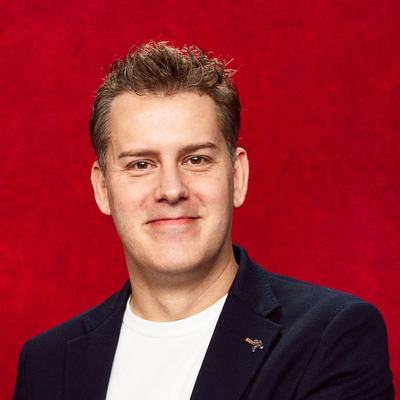
  1. Welcome from Magyar Nemzeti Bank Péter Benő Banai, Magyar Nemzeti Bank (Hungary)
    Péter Benő Banai
    Péter Benő Banai

    Banai Péter Benő is Deputy Governor of the Magyar Nemzeti Bank, responsible for analysis, payment systems, and central bank programmes since December 2025. He graduated from the Budapest University of Economic Sciences in 1998 and later earned a postgraduate qualification in law and economics from Eötvös Loránd University. He began his career at the Hungarian Ministry of Finance in 1998 and has held several senior positions in fiscal policy and budget management. Between 2010 and 2025 he served as Deputy State Secretary and later State Secretary responsible for public finances at the Hungarian Ministry for National Economy and subsequently the Ministry of Finance. In May 2025 he joined the Hungarian central bank as Chief Advisor to the Governor before being appointed Deputy Governor later that year. He also serves as Chairman of the Board of GIRO Zrt. and holds leadership roles in the Public Finance Section of the Hungarian Economic Association.

  2. Latest Developments in Cash and Coins Astrid Mitchell, Currency News (United Kingdom)
    Astrid Mitchell
    Astrid Mitchell

    Astrid Mitchell is Chief Executive of Reconnaissance International. She has a degree in politics from Durham University, and began her career in the M&A department of De La Rue in 1983. She subsequently worked in a variety of marketing positions for the company before joining Applied Holographics (now OpSec) as Marketing Director. She then joined German banknote and passport printer Bundesdruckerei, before joining Reconnaissance in 2002, where she was responsible for company's move into high security, through publications such as Currency News (of which she is the editor), and events such as the HSPs and Coin Conference. She was also responsible for the company’s expansion into tax stamps and identity and is a regular contributor to Reconnaissance’s other monthly publications covering authentication, ID and secure documents, tax stamps and holography. She was appointed Chief Executive in 2016.

    Download the slides PDF · 3.6 MB · delegates only

  3. 100 Years of Coinage in Budapest Terez Horvath, Hungarian Mint (Hungary)
    Abstract

    The presentation focuses on the 100-year history of coin minting in Budapest, while also providing insight into the pre-Budapest events of the thousand years full history of Hungarian coinage. The present cannot exist without the past. Tracing its evolution from medieval royal roots to a highly modernized 21st-century institution, the narrative captures how the minting industry survived geopolitical shifts, hyperinflation, and economic transformations to remain the backbone of the nation’s currency system.

    Terez Horvath
    Terez Horvath

    She completed her higher education at the College of International Management and Business, and earned a postgraduate degree in marketing at the Budapest University of Economic Sciences. She has been involved in Hungarian coinage since 1994.

    Between 1994 and 2001, she worked as the Head of Foreign Trade and later as the Managing Director at the coin selling company named MNB Érmekereskedelmi Rt. of the Magyar Nemzeti Bank (Central Bank of Hungary). Following the merger of this company into the Hungarian Mint in November 2001, she has been the Commercial Director until the end of 2015. She was appointed CEO in December 2015.

    She has held the position of Vice President of the Hungarian Numismatic Society since 2020.

    Download the slides PDF · 3.2 MB · delegates only

  4. Cash and the Future of Money Marc Schwartz, Monnaie de Paris (France)
    Abstract

    Cash is still alive, 2700 years after the first coins in the history were minted in Lydia. As we enter the digital era, the forms of money are still changing and will surely continue to evolve in the future. This is true for central bank currencies, as well as commercial bank money, or the upcoming crypto-assets, such as stablecoins. But it is now widely recognized that cash is here to stay.

    Marc Schwartz
    Marc Schwartz

    Marc Schwartz, born in 1963 in Paris, is Chairman and CEO of La Monnaie de Paris, the French National Mint. He is also a lecturer in media and cultural economics at Sciences Po, a leading Social Sciences University in Paris.

    Marc Schwartz started his career as an Auditor with the National Court of Audit (Cour des comptes) in 1988 and joined the Treasury Department in 1992. He became, in 1997, special advisor to the minister for Economy, Finance and Industry and to the secretary of State for Budget.

    He joined the media group France Télévisions in 2000, as CFO, then deputy CEO. In 2010, he became a senior partner with the international audit and consulting firm Forvis-Mazars, in charge of Public Sector and Media. He returned to the Cour des Comptes in 2014 and was appointed Chief of Staff to the minister of Culture in 2017, before joining Monnaie de Paris in 2018.

    He holds a BA’s in economics and public finance (Sciences Po), certificates of finance and international finance from the London School of Economics (LSE), a master in corporate finance from Conservatoire national des Arts et métiers (CNAM), and a master of public administration from Ecole Nationale d’Administration (ENA).

    Marc Schwartz is the author of various articles on monetary and financial issues and of two books: The French Financial System (Montchrestien, 1992) and The New Currency War (Odile Jacob, 2025), co-authored with Pr. Christian de Boissieu.

    Download the slides PDF · 1.3 MB · delegates only

Break and Exhibition Viewing
Session 2

Trends and Developments

11:00 – 12:45
  1. EU Policy on Euro Coins: An Agenda for Choice, Trust and Resilience Philip Tod, European Commission (Belgium)
    Abstract

    This presentation will examine the EU policy agenda for euro coins through three objectives of the European Commission: preserving choice, protecting trust and strengthening resilience. It will touch on the ongoing negotiations on the legal tender framework for euro cash, the Commission’s assessment of 1- and 2-cent coins, the future of the Pericles programme, and the EU framework for coin authentication and protection against counterfeiting. It will also consider how preparedness, effective cash logistics and cash-in-transit contribute to a resilient cash ecosystem. Together these developments reflect an agenda aimed at ensuring that euro coins, as the most familiar expressions of the single currency, continue to perform a useful public and economic function within an increasingly diverse payments system.

    Philip Tod
    Philip Tod

    Philip Tod is a European Commission official with over 25 years’ experience in EU policy-making and communication on the economy, financial services and public health in both the European Commission and the European Parliament. A Franco-British national, Philip is currently head of unit responsible for euro protection and euro cash at DG ECFIN of the European Commission. The unit is responsible for EU legislation on the legal tender of euro cash, as well as for EU legislation and the implementation of the Pericles programme on combatting euro counterfeiting. He has previously served as head of unit for communication at DG ECFIN, as well as spokesman and member of cabinet for the EU Health Commissioner. In the European Parliament he served as a policy adviser on financial services in the Economic and Monetary Affairs Committee and as spokesman for the Leader of the Liberal Group. He holds an MA in European Politics and Administration from the College of Europe in Bruges and a bachelors degree in Government from the LSE.

  2. Key Performance Indicators for Coins in Cash-Friendly Country Claus Fischer, Münze Österreich (Austrian Mint) (Austria)
    Abstract

    Cash is under pressure worldwide. Rising costs, digital competition and changing payment habits are contributing to a steady decline in cash usage. Austria, however, tells a different story. Cash continues to enjoy strong public and political support, backed by a robust legal and institutional framework. Government, the Oesterreichische Nationalbank and its subsidiaries responsible for cash production and logistics work closely together to safeguard the cash cycle. This commitment is reinforced by political initiatives, strong public support and specific legislation protecting the integrity of cash. At European level, the legal framework accompanying the Digital Euro is expected to further strengthen cash availability and acceptance. This presentation explores why Austria has taken a different path – and how political commitment, regulation and cooperation across the cash ecosystem can help secure the future of cash.

    Claus Fischer
    Claus Fischer
    Claus was born 1966 in Vienna; Austria. After graduating from Highschool in 1985 he studied Law in Vienna and Salzburg. Finishing with a Doctor of Law Degree in 1991. He subsequently worked for 2 years at the Federal Court of Vienna. Deciding to leave the legal world behind him he started at the Central Bank of Austria in the Trading and Strategy Department. Working in Vienna, New York and London as an Investment Officer. In 2004 he left the Public Sector to join DZ Bank and finally HSBC working as Managing Director, Global Markets. Returning in 2009 to the Central Bank as Chief Representative of the Bank in London. In 2011 he was appointed B2B Sales Director at the Austrian Mint.

    Download the slides PDF · 1.5 MB · delegates only

  3. Meeting Coin Demand in a Partner-Driven Model: The Fed’s Role in an Evolving Distribution Ecosystem Greg Nichols, Federal Reserve Financial Services (United States of America)
    Abstract

    The U.S. coin distribution model has become increasingly specialized and partner-dependent. The Federal Reserve relies heavily on key partners and service providers to help move, process, store and recirculate coin. While this model creates efficiencies, it also introduces challenges. At the same time, demand for coin is becoming less uniform, as usage varies more and more across consumer groups and geographies. This session will explore how the Fed’s distribution model has evolved to what we have today, and what it means for forecasting and demand management.

    Greg Nichols
    Greg Nichols

    Greg Nichols serves as a Vice President with Federal Reserve Financial Services, where he leads a team responsible for overseeing currency and coin inventory management and distribution, including business continuity planning across the 200+ distribution locations (Federal Reserve operations centers, cash depots, coin terminals and depots) that service both domestic and international markets. Additionally, his responsibilities include a performance management function that continuously monitors the health of the Fed’s Cash business and provides support for FedCash® high-priority initiatives and programs.

    He holds a Master of Business Administration from Cleveland State University and a BA from John Carroll University.

    Download the slides PDF · 856.5 KB · delegates only

  4. Beyond the Pitch: Transforming World Cup Passion into National Value Saverino Spagnolo, Royal Canadian Mint (Canada)
    Saverino Spagnolo
    Saverino Spagnolo

    Saverino Spagnolo is Senior Sales Manager, Foreign Circulation, at the Royal Canadian Mint, where he leads international business development and works with central banks and monetary authorities around the world on circulation coin programs and currency modernization initiatives. With more than a decade at the Royal Canadian Mint, Saverino has extensive experience in international sales, coin technology, currency strategy, and the development of innovative circulation solutions. His work focuses on helping countries modernize their coinage through advanced technologies, including multi-ply plated steel, painted circulation coins, and other innovative solutions that combine durability, security, cost effectiveness, and compelling national design.

    Download the slides PDF · 4.2 MB · delegates only

  5. MDC 2027 Isabel Valldecabres Ortiz, Fábrica Nacional de Moneda y Timbre - Real Casa de la Moneda (Royal Mint of Spain)
    Isabel Valldecabres Ortiz
    Isabel Valldecabres Ortiz

    Isabel Valldecabres assumed the role of Chairwoman and CEO at the Royal Mint of Spain in 2021. She boasts a distinguished background as a Criminal Judge and holds a Ph.D. in Law from the Universidad Carlos III de Madrid.

    Prior to her current position, she served as a Criminal Law Lecturer at influential Spanish universities and held various key roles within the State Government, including Chief of Staff for the Vice-President of the Government of Spain and Senior Consultant for several ministerial departments.

    Isabel has further made her mark as a dedicated board member in several public companies and member of the board of directors of Mint Directors Association.

    Beyond her professional endeavours, she is actively engaged in the arts and education so serves as a Patron of the Reina Sofía School of Music and is Member of the Board of Protectors of the Royal Theatre Foundation.

    Download the slides PDF · 2.9 MB · delegates only

Lunch
Session 3

New Coin and Currency Structures

14:00 – 15:15
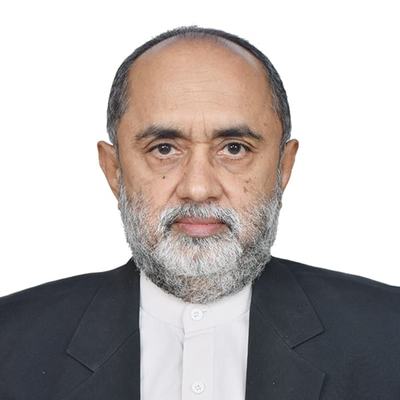
  1. The Challenges of Coins in Pakistan – The Way Forward Aftab Baloch, Federal Tax Ombudsman (Pakistan)
    Abstract

    The evolution of coinage in Pakistan traces back to the pre-independence era, with colonial coin systems initially retained after 1947. Today, Pakistan Mint Lahore remains the country’s sole coin manufacturing entity, responsible for producing circulating and commemorative coins, manufacturing civil and military awards, and refining precious metals into bullion.

    As a key national and strategic institution, it contributes significantly to financial inclusion, currency stability, and national reserves. However, despite its critical role, the Mint faces substantial structural and technological challenges due to its century-old infrastructure and outdated machinery. Over the past decade, fluctuations in coin production and operational inefficiencies have highlighted the urgent need for comprehensive modernization to ensure sustainability, improved quality, and cost-effectiveness in line with evolving global standards.

    This paper examines the operational challenges confronting the Pakistan Mint, including energy inefficiencies, obsolete refining techniques causing financial losses, inadequate security systems, limited technical capacity, and the evolving dynamics between paper currency and metallic coins. It further evaluates the Mint’s resilience in sustaining coin production across existing denominations while considering future expansion.

    This paper underscores ongoing and proposed modernization initiatives, including advanced minting technologies, digital engraving systems, and state-of-the-art gold refining mechanisms aimed at reducing wastage, enhancing productivity, and improving efficiency. It proposes a forward-looking strategy focused on modernization, technological adoption, waste reduction, and capacity building to transform the Mint into a cost-efficient, secure, and competitive entity aligned with international standards.
    Aftab Baloch
    Aftab Baloch
    Mr. Aftab Anwar Baloch is a retired senior officer of Pakistan. He has served 35 years in the Government of Pakistan and 05 years in the Sindh Government (a Province of Pakistan). He possess diversified experience and knowledge in the financial discipline and taxation matters. He is an expert on tobacco taxation and has worked with WHO / FBR on a Research Project, FCTC and The Protocol to Eliminate Illicit Trade in Tobacco Products and related matters. During Pakistan Government Service he supervised monitoring and implementation of monetary and financial policies of Pakistan Government. As a Director on the Board of Directors of the National Bank of Pakistan ( a government bank) he contributed on all the matters relating to banking policies including currency and bank notes circulation. Pakistan Mint, a single entity dealing with coin production also came under his preview while working in Finance Division. He is the Advisor on the Advisory Board of Tax Stamps and Traceability News and is the author of numerous articles relating to Bank Notes, Currency and Cash related issues, Tax Stamps, Track and Trace System, High Security Documents, Climate Change etc. He is a regular speaker on various Conferences and forums organized by M/s Reconnaissance International Cash Essentials, Currency Research etc.
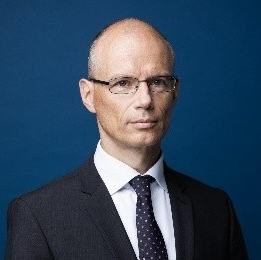
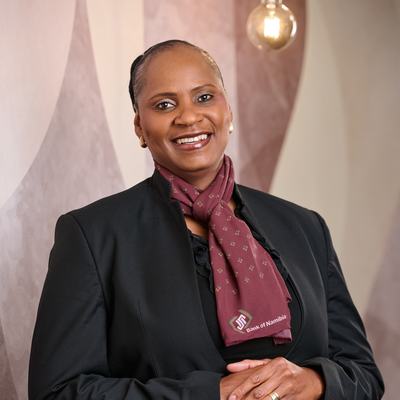
  2. Namibia’s Coinage Evolution: Design Synergies and Challenges in a Dual-Series Upgrade Sencia Rukata, Bank of Namibia (Namibia)
    Sencia Rukata
    Sencia Rukata

    Ms. Sencia Kaizemi-Rukata is an accomplished central banking executive with over 28 years of experience in currency management, banking operations, payment systems, governance and financial innovation. As Director of Currency Management and Banking Operations at the Bank of Namibia, she leads the nation’s currency management function, government banking services and corporate security operations.

    She has played a key role in Namibia’s currency modernization, including banknote upgrades, commemorative banknotes and the country’s first new coinage series in over three decadesRegionally, she serves as a Director of SASAI Financial Services in Lesotho and contributes to CBDC and cross-border payment initiatives.

    Ms. Kaizemi-Rukata holds a Master of Commerce (Cum Laude) in Business Management from the University of South Africa and has completed executive leadership programmes through Stellenbosch and London Business Schools.

    Download the slides PDF · 3.0 MB · delegates only

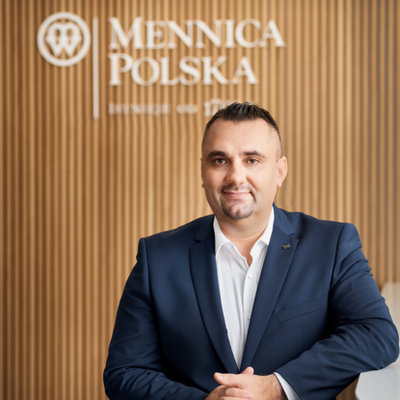
  3. The Global Coinage Landscape has Changed – How Are The Mint of Poland Responding to the Challenges Simon Lake, Mennica Polska (Poland)Siemowit Kalukiewicz, Mennica Polska (Poland)
    Simon Lake
    Simon Lake

    Simon Lake recently left the Royal Mint having worked there for over 38 years. As Sales Director he led his team to win export business in over 100 countries having provided advice to Central Banks on numerous topics like Banknote to Coin conversions, changing from solid to plated coins and overall new coin introductions. At The Royal Mint, he hosted over 200 Central Bankers at their annual Coin Management training programme where he presented on topics like seigniorage and coin forecasting. He is currently working as senior advisor to the Mint of Poland where he uses his past experience with Central Banks to ensure that the Polish Mint is recognised as the one of the leading mints in the world. 

    Siemowit Kalukiewicz
    Siemowit Kalukiewicz
    Mr Siemowit Kalukiewicz graduated diploma in Organization of Production of Faculty of Production Engineering division from Warsaw University of Technology. Joined the Mint of Poland in 2004 as a Manager of Production Organization and Technical Department, at the beginning responsible for production preparation, organization of production, engineering support of the production and designing. Later achieving the business successes, concentrated always on innovation and improvements while gaining extensive experience he climbed the next career ladder as Production Director, then Chief Operating Officer becoming responsible for all production and logistic activity in the Mint. Finally in 2022 appointed as Member of the Management Board becoming co-responsible for all activities of the Mint of Poland.

    Download the slides PDF · 5.9 MB · delegates only

Break and Exhibition Viewing
Session 4

A Sustainable Future

15:45 – 17:00
  1. Outcome of the Research Study ‘Environmental Impact of Cash Versus Digital Payments (EICVDP)’ Pascal Rencker, European Mint Directors Working Group (France)
    Abstract

    In last years, Cash as a payment means has been reported as being much less environmentally friendly than digital payments. Without any serious ground or demonstration. The MDWG and the ICA, both professional entities representative of the cash industry, teamed up and commissioned an impact study on the topic which started in 2023 and has been finished in 2026. This study on European payment systems carbon footprint is the first of its kind and shows the magnitude of the carbon footprint of both cash and digital payments in Europe, delivering very interesting insights on how cash is positioning itself compared to digital payments in terms of global carbon footprint in general and per transaction in particular. And as important, what concrete solutions are being implemented to make this decrease. The outcome is stunning and the figures are not the ones which were expected.

    Pascal Rencker
    Pascal Rencker
    Pascal Rencker is the Head of Innovation R&D and International Affairs at the Monnaie de Paris (National French Mint). He is also the President of the Mint Directors Working Group (MDWG) since 2016. His work focuses on international exchange in best practice, market and research studies on technical, environmental and economic topics of the mint industry. Prior to his current role, he was the Industrial Director at the Monnaie de Paris, with operational and strategic responsibility for the end-to-end production and delivery to customers on four continents, for seven years. His background and expertise are engineering in the metal forming industries. He also specializes in global commerce and international sourcing.

    Download the slides PDF · 855.8 KB · delegates only

  2. Minting with Care Sustainable Innovation for Modern Coin Systems Jeff Hanke, Royal Canadian Mint (Canada)
    Jeff Hanke
    Jeff Hanke

    Jeff Hanke is Director of Sales – Foreign Operations at Royal Canadian Mint. He holds a Bachelor of International Business from Carleton University in Canada, an EMBA from University of Fredericton, Canada and is a Certified Sales Leader issued by Canadian Professional Sales Association. Jeff began his career working in Africa for Impact Media. He then moved on to work at Royal Canadian Mint where for the last 15 years he has progressively moved up the ranks to his current position.

    Download the slides PDF · 2.1 MB · delegates only

  3. Small Coins. Big Impact. Green Steel & Plastic-Free Packaging Aïcha Nowak, Monnaie de Paris (France)
    Abstract

    How can the coin industry reduce its environmental footprint while maintaining performance, resilience and competitiveness? At Monnaie de Paris, where 97% of our carbon footprint comes from Scope 3 emissions, procurement has become a key driver of our sustainability transformation. From plastic-free packaging and lower-carbon transportation to low-carbon steel for circulation coins, this presentation will showcase concrete solutions already being developed across our value chain. But scaling sustainable currency requires more than technology. It requires mints, suppliers and central banks to work together from the earliest stages, integrating carbon impact alongside technical performance and cost. Because when we produce millions, or billions, of coins, small changes can have a big impact.

    Aïcha Nowak
    Aïcha Nowak

    Aïcha Zebiri Nowak is Chief Procurement Officer and Executive Committee Member at Monnaie de Paris, where she leads procurement strategy and performance, with a strong focus on strategic materials, supplier partnerships, sustainability and supply chain resilience. An engineer by training, she graduated from Arts et Métiers ParisTech and holds a postgraduate degree in Mechanics and Materials from Centrale Paris, as well as an Executive Master in Global Sourcing & Supply Chain from HEC Paris.

    Over the past 20 years, she has built an international career across the watchmaking, luxury and beauty industries, holding senior positions at Shiseido and L’Oréal in procurement, supply chain and product development. Today, she brings this cross-industry experience to the minting industry, combining performance, resilient sourcing, innovation, sustainability and risk management. Alongside her executive role, she contributes as a board and strategic committee member to selected SMEs and start-ups, bringing her experience in strategy and transformation, with particular attention to aligning strategic ambitions, organization, people engagement and execution.

    Download the slides PDF · 2.3 MB · delegates only

Presentation of IACA Excellence in Coin Awards
End of First Day

Day 3

Wednesday 30 September

Session 5

Inspection, Authentication, Circulation

09:00 – 10:35
  1. Strengthening the Euro Area’s Anti-Counterfeiting Framework: from EU Governance to Practical Implementation Through the “Coin Fitness for CPM” Project Marco Di Benedetto, European Commission (Belgium)Jose Luis Martinez Pareja, Banco de España (Spain)
    Abstract

    The European Union has established a comprehensive framework to combat coin counterfeiting, combining legislative harmonization, technical coordination, and operational support across Member States. Central to this structure are the European Commission, the European Technical & Scientific Centre (ETSC), and the network of Coin National Analysis Centers (CNACs), which work together to ensure consistent counterfeit detection, authentication procedures, and reporting throughout the euro area.

    To reinforce these efforts, the EC implements the Pericles program, a long standing instrument dedicated to strengthening the protection of euro banknotes and coins through specialized training, technical cooperation, and the development of advanced methodologies for national authorities and laboratories.

    A practical example of the programme’s impact is the “Coin Fitness for CPM” project, developed with Pericles support. This project introduces a harmonized analytical framework for assessing the fitness of circulating euro coins for processing in Coin Processing Machines (CPM). Its methodology includes large scale sample testing, quantification of deterioration parameters, comparative analysis across sorting technologies, and reproducible protocols designed to deliver objective and comparable results. By establishing common fitness criteria and measurable thresholds, the project enhances the ability of Member States to identify unfit or suspicious coins and improves the consistency and resilience of the euro cash cycle.

    Marco Di Benedetto
    Marco Di Benedetto

    Marco Di Benedetto coordinates the European Technical and Scientific Centre (ETSC) within the European Commission's Directorate-General for Economic and Financial Affairs (DG ECFIN). In this role, he plays a central part in protecting euro coins against counterfeiting and in implementing Regulation (EU) No 1210/2010 on coin authentication and the handling of euro coins unfit for circulation.

    He brings more than 20 years of experience in euro anti-counterfeiting, forensic and technical analysis, intelligence, and operational cooperation. His career has included senior positions at DG ECFIN, OLAF, and the Italian Carabinieri's specialised anti-counterfeiting services, as well as serving as Head of the National Central Office for the Suppression of Currency Counterfeiting at the Italian Ministry of the Interior. A regular speaker, trainer, and moderator at international conferences and expert events, his areas of expertise include EU anti-counterfeiting strategy, counterfeiting trends and emerging threats, investigative support, coin authentication processes, and the practical challenges of regulatory implementation.

    Jose Luis Martinez Pareja
    Jose Luis Martinez Pareja

    José Luis Martínez Pareja is Head of the Coin Analysis Unit and Spain’s National Counterfeit Coin Analysis Centre (CNAC-ES) at Banco de España. He holds degrees in Chemical Sciences and Environmental Sciences, complemented by specialist training in Printing Technology. With more than 30 years of experience in coin authentication and production, he has developed extensive expertise in laboratory analysis, counterfeit coin detection, metallurgical characterization, and quality control. Before joining Banco de España in 2016, he worked at the Spanish Royal Mint (FNMT-RCM), contributing to the introduction of the euro coin. He represents Spain in several European Commission expert groups and coordinates coin-related projects funded through the Pericles Programme.

    Download the slides PDF · 1.3 MB · delegates only

  2. Coin Fitness Inspection – Automated Quality Assurance for Counterfeit Detection Ludger Tepaße, Spaleck Oberflächentechnik (Germany)
    Abstract

    Coins in circulation naturally develop wear and defects over time. Detecting these reliably and at high speed is an increasing challenge for central banks. This presentation introduces Spaleck’s automated coin inspection system. It explains how different technologies are combined in a modular method, what types of defects can be detected, and where the current limitations lie. It also covers the software side: recipe management, real-time statistics and reporting for quality documentation. Looking ahead, Spaleck is in the process to qualify the system for the use in counterfeit detection — a path that points towards formal recognition by central banking institutions. The talk gives a clear and practical overview of where automated coin inspection stands today and where it is heading.

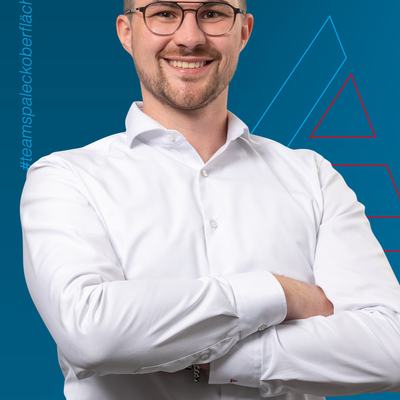
    Ludger Tepaße
    Ludger Tepaße

    Ludger Tepasse holds a degree in mechatronics and an additional qualification as a Bachelor Professional in Mechanical Engineering. He has been part of the Spaleck team for over eleven years and works closely with industrial clients across various sectors. In his role as Key Account Manager, he supports developments based on the technical requirements of some of Spaleck´s valued customers and contributes to identifying suitable technical solutions.

    He is currently expanding his expertise in automated testing systems and becoming more involved in the coin and currency industry.

    Download the slides PDF · 7.0 MB · delegates only

  3. ChangeBox – the New Technology for Coin Deposit and FX Karl Roberts, ChangeBox (United Kingdom)
    Abstract

    Changebox delivers a global currency Kiosk solution converting 30,000 plus coins and notes from 160+ currencies. Unlocking dormant funds through advanced technology and automated self-service.

    Karl Roberts
    Karl Roberts

    Karl is a Business Director at ChangeBox with over three decades of experience in electromechanical engineering, cash handling automation and technical operations. He has led nationwide engineering teams, delivered major installation programmes and overseen complex deployments across the UK and internationally. MBA qualified through a competitive scholarship, Karl has previously held senior roles with CSI/De La Rue, Travelex ATMs, Brinks and 360 Cash earning a reputation for engineering discipline, operational reliability and practical problem solving. At ChangeBox, he brings together engineering expertise, operational leadership, commercial insight and leverages his more recently acquired AI driven machine vision experience to support Changebox’s mission to deliver robust, efficient, and trusted FX kiosk solutions.

    Download the slides PDF · 1.2 MB · delegates only

  4. Calculating the Lifetime of Coins Tomasz Jagielinski, NXTGenDetect (United States of America)
    Abstract

    The issue of estimated life of coin life has been a subject of speculations for a long time. There are limited data and no published systematic studies of the life of coins. The information published on world Mints websites suggests that coins could remain in circulation for at least 25 or 30 years. There are other sources suggesting that coins could last in circulation much longer and their lifetime could even exceed 50 years. The coin yearly attrition rates mentioned in the literature suggested that coins are “disappearing” from circulation at the rate of 2% to 5% per year. We have studied US and Polish coins and during the conference we will be discussing results for the US Penny (1 cent). We have collected over 2000 pennies from circulation and sort them based on the year of minting. We have compared the collected data with publicly available 1900-2026 US penny minting data. The oldest coin found in circulation was minted in 1926, 100 years ago, but we choose the period 1960-2025 for the detailed analysis. The distribution of coins in circulation as a function of the year of minting was representing the distribution of coins as a function of the year of minting. About 25 % of pennies found in circulation were minted before 1990 (older than 35 years) and about 10% minted before 1980 (older than 45 years). Different attrition rate models have been applied to estimate the life of circulated US pennies. A simple linear attrition rate of, for example, 4% model suggested that all coins minted before 2001 should no longer be in circulation which is not supported by the data. Other models offer a better fit to the experimental data. At the conference we will present the test methodology and results and discuss lifetime coin models.

    Tomasz Jagielinski
    Tomasz Jagielinski

    President and CTO of NXTGenDetect. NGD offers consulting and advisory services in the areas of design of coins and banknotes with emphasis on security, machine readability and authentication. A Senior R&D Director at CPI, Senior VP Technology at Cummins Allison, CTO of San Diego Magnetics and a Research Director at Eastman Kodak.

    Over 30 years of unique experience with currency security, banknotes and coins processing systems, sensor design and forensics. A Doctor of Science degree in Materials Science and Engineering from Warsaw Polytechnic. Over 100 technical papers and guidelines in the field of banknote and coin security, sensors, materials and. 47 patents issued.

    Download the slides PDF · 2.8 MB · delegates only

Break and Exhibition Viewing
Session 6

Production and Innovation

11:15 – 13:10
  1. Advancing Manufacturing Through Laser and Optical Technology Alexander Aminidis, ACSYS Lasertechnik (Germany)
    Abstract

    Recent advancements in laser technology by ACSYS have transformed the production of dies, enabling efficient and flexible mass production of currency and medals. Thanks to the introduction of femto laser technology and multiple additional advanced applications, the process of Direct Laser Engraving has become the new way of producing dies. The recently developed UltraFast engraving process allows to engrave precise and faster than ever, without the need to rework – up to 10x faster compared to a CNC milling machine. ACSYS worked extensively with several Mints across the world to proof the concept of manufacturing dies with laser technology on a mass scale. This presentation introduces OLP – Optical Layout Positioning, an innovative solution that automates positioning and initiates engraving without the need for clamping or manual alignment.

    Alexander Aminidis
    Alexander Aminidis
    With a master's degree and multiple awards in hand-engraving, working in the past for a private Mint, I have gained expertise in design and all Mint & Print production processes. With over a decade at ACSYS Lasertechnik, I merged these traditional skills with cutting-edge laser technology. As Head of Business Unit for Mint & Print, my team and I focus on innovation and customer success in this vital market.
  2. MS 700 Dual: A Dual-Chamber PVD Platform for Sustainable Coin and Tool Coating Romain Waidelich, INORCOAT (Germany)
    Abstract

    The MS 700 Dual represents the next evolution of INORCOAT’s proven PVD platform for the minting industry. By integrating two independent coating chambers into one machine, it enables mints to combine die and tool coating with decorative and precious-metal coatings directly on coins and medals. This dual-chamber concept improves production flexibility, reduces changeover times, prevents cross-contamination, and increases machine availability.

    Designed as a sustainable alternative to conventional galvanic processes, the MS 700 Dual allows very thin, precisely controlled PVD layers, helping to reduce precious-metal consumption while maintaining high optical quality and durability. Its automated operation makes routine coating simple for mint production teams, while advanced users retain full access to process parameters for further optimisation and new application development.

    With its combination of sustainability, efficiency, ease of use, and new design possibilities such as selective coatings, the MS 700 Dual offers mints a practical pathway toward cleaner, more flexible, and more innovative coin and medal production.

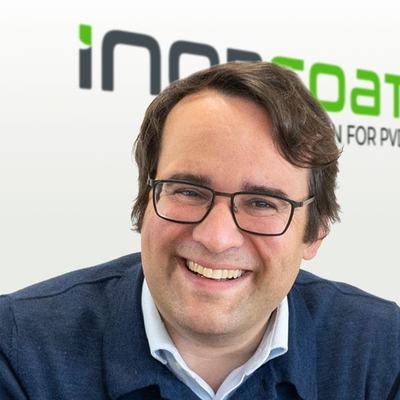
    Romain Waidelich
    Romain Waidelich
    Romain Waidelich, owner and CEO of INORCOAT, has more than 12 years’ experience within the minting & banknote printing industry and has a profound understanding of related challenges and complications in relation of producing security documents and banknotes.
  3. Enhancement of Commemorative Coins and Medals Using Nanostructured Elements Robert Dvořák, IQ Structures (Czechia)
    Robert Dvořák
    Robert Dvořák
    Robert has been working on development of optical security features since 2008. He has been participating on implementation of DOVIDs into polymer banknotes and has developed unique technology for integration of optical security features into the polycarbonate documents. His team is currently working on development of materials which will enable major increase in the complexity of optical protection of polycarbonate documents.

    Download the slides PDF · 2.8 MB · delegates only

  4. Colour on Metal: The Evolution of Pad Printing in Metal Products Millie Britto de Oliveira, Casa da Moeda do Brasil (Brazil)
    Abstract

    This presentation explores the application of color to metal products through pad printing, focusing on the evolution of this process at the Casa da Moeda do Brasil. It covers design strategies, artwork development, the definition and production of printing plates, and showcases examples of products manufactured using this printing technology.

    Millie Britto de Oliveira
    Millie Britto de Oliveira

    Millie Britto is a graphic designer with more than 25 years of experience at Casa da Moeda do Brasil (Brazilian State Mint), where she has been Head of Design since 2015. She started designing postage stamps for Correios Brasil (Brazilian Mail Company) and this activity drew her attention to Casa da Moeda do Brasil, where stamps are printed exclusively.

    After joining the Mint, she had the opportunity to study coins, notes, passports, and all kinds of security products.

    She was part of the team that designed the Second Series of Real Banknotes for Brazil and led the team that designed the Brazilian Passport issued in 2023, in addition to design commemorative coins, medals, identity documents and tax stamps.

  5. The Modern Reality of AI in Coin Relief Design Robert Newman, Carveco (United Kingdom)
    Abstract

    This presentation traces the rapid evolution of AI-assisted design tools over the past few years and their growing role in coin relief creation. It looks at where AI is genuinely accelerating design and engraving workflows now, and where the technology is clearly headed next as these tools continue to mature.

    Robert Newman
    Robert Newman
    Robert is Managing Director of a global software company specialising in Bas Relief Design and AI-driven innovation. With over 15 years in the high-tech industry, he brings deep cross-functional expertise across product leadership, global channel development, and digital transformation. Robert leads with a belief that technology—especially Artificial Intelligence—can reshape industries and elevate design at every level. His work supports some of the world’s most iconic brands, including national coin design initiatives. A frequent public speaker, he welcomes collaboration with forward-thinking Minting Delegates ready to embrace innovation and create lasting impact.

    Download the slides PDF · 4.1 MB · delegates only

Lunch
Session 7

Around the World in 60 Minutes

14:15 – 15:50
  1. The Uncomfortable Truth of Central & South America & the Caribbean: Where do Coins Still Add Value — and What Strategies Can We Implement for That Reality Francisco Mandiola, FMA Secure (Chile)
    Francisco Mandiola
    Francisco Mandiola

    Mr. Mandiola is currently head of FMA Corp, a strategic advisory firm that helps both private companies and government entities, primarily in Latin America, with their adaptation to the latest digital, security and business environments.

    Mr. Mandiola began his career at a lobbying firm in Washington, DC, before entering the banking world at Lloyds Bank and then returning to Chile to Banedwards (now Banco de Chile).  He has held several executive roles in different companies and was Managing Director of SKY TV, DIRECTV, and Turner/TimeWarner in Chile as well as working for the Chilean government as Managing Director of Casa de Moneda de Chile (Chile’s State Mint and Printing Company).  In this last role, Mr. Mandiola was influential in promoting the use of Tax Stamps, which resulted in the eventual adoption of such a system by Chile’s Tax Authority.

    Due to his experience, Mr. Mandiola is a frequent invited speaker at international conferences, as well as a registered consultant for ITSA (International Tax Stamp Association) and Reconnaissance International.

    Mr. Mandiola holds degrees from Georgetown University in Washington, DC, and the University of California at Irvine, as well as political studies at the University of Essex.  In 2019, Mr. Mandiola was certified as a board member by the Universidad de Los Andes in Santiago.

    Download the slides PDF · 742.4 KB · delegates only

  2. New Currency and Coin Structures’ Americas 250 Semiquincentennial Coin Programs Paul Hollis, United States Mint (United States of America)
    Paul Hollis
    Paul Hollis

    President Donald J. Trump nominated the Honorable Paul Hollis to be the 41st Director of the United States Mint. Paul is a former Louisiana State Representative and one of the nation's leading authorities on United States coinage. He is a professional numismatist, an award-winning author and Life Member of the American Numismatic Association. Paul has served on various professional boards including the Industry Council for Tangible Assets, the Numismatic Literary Guild, and the Louisiana State Board of Elementary and Secondary Education. Paul has been married to Ashley for 24 years and they have two children.

    Download the slides PDF · 2.0 MB · delegates only

  3. Recirculating the World’s Coins Scott Hutchings, Global Coin Solutions (United States of America)
    Abstract

    Coin from every country travels around the world.

    Yet no one pays any attention to that coin, other than to make more coins.

    Why?

    Because coins are low value, heavy, and in some cases, dirty and very few organizations are willing to get involved.

    The cost of doing something about this would be prohibitive if addressed commercially.

    Foreign Currency Fundraising is the answer to the question no one is asking; How can foreign coins be repatriated and recirculated without it costing a small fortune?

    • The charity collects it

    • The charity works with a company that handles foreign coin

     • The coin is sorted and repatriated for re-circulation

     • The value of the coin comes back, all fees are paid, and the charity makes money

    • The foreign coin “pays” its own way back home

    It has been used by charities in the U.K. for decades (we believe it started in the 1980’s). There are charities in Ireland and New Zealand that are funded exclusively by the ask of foreign currency.

    Recirculating this coin does not cost the coin industry anything. Global Coin Solutions is building a logistics network to repatriate YOUR coin … but we need YOUR help to allow us to import YOUR coin back into YOUR country!

    Many, many countries are introducing programs to recirculate their coin from within, forgetting about the coin that is removed every year … let’s open those programs up to that coin as well!

    Scott Hutchings
    Scott Hutchings

    Scott Hutchings is the Founder & President of Global Coin Solutions, specializing in the processing and repatriation of mixed / foreign currency for charity. Scott has been handling foreign currency for over 13 years.

    Since Global Coin Solutions began in 2015, we have processed more than 400,000kgs of mixed currency valued at over $30 Million, most of which was for charity. Today, Global Coin Solutions directly supports dozens of charities and indirectly supports hundreds of organization globally.

    In 2024, Global Coin Solutions launched an office located in Tokyo, Japan. This was created to serve the charitable sector in Japan and the surrounding area.

    Our goals have expanded to include building an international logistics network to support the repatriation of coin, anywhere and everywhere.

    Download the slides PDF · 766.4 KB · delegates only

  4. Georgian ‘Handball 2026’ Collector Coin Project Mariam Zavradashvili, National Bank of Georgia (Georgia)
    Abstract

    Georgian money has a century-old history. Over time, its form, style, inscriptions and images have been changed in accordance with the respective political and economic situation in the state.

    Since the restoration of the state independence of Georgia, in the early 90s of the 20th century, the preparatory works have been started along with the monetary and exchange rate reforms to create the first full-fledged national currency that was successfully completed with the Lari introduction in 1995.

    Since the Lari introduction the National Bank of Georgia has issued many collector coins dedicated to more than 30 various historical and nationally significant events.

    The most recent collector coin, which has been issued by the National Bank of Georgia in the beginning of this year, is dedicated to the participation of the Georgian National Handball team in the 2026 European Championship. The initiative to issue a handball-themed coin was submitted to the National Bank of Georgia by the Georgian Handball Federation. It is also noteworthy that 2026 marks the 70th anniversary of the founding of the Georgian Handball Federation – that has also been reflected on the design.

    The design sketch of the “Handball 2026” coin was prepared by the Georgian Handball Federation in cooperation with the National Bank of Georgia. The finalization of the design and minting of the coins were carried out at the Kazakhstan Mint, using their special technologies that includes ultra-high relief technology, mirror and matte finishes combination, execution of micro-relief on a spherical surface with a small radius giving rainbow optical effect, etc.

    My presentation will describe general overview of country Georgia, the National Bank of Georgia and collector coins issued by the NBG, key aspects for projecting the Georgian Handball 2026 collector coin including the technologies used by the manufacturer, current challenges (where we are) and plans for our future actions regarding collector coins projects.

    Mariam Zavradashvili
    Mariam Zavradashvili

    Mariam Zavradashvili is a Head of Currency Circulation and Production Division of Cash Department of the National Bank of Georgia, with the responsibility for planning of currency production projects as well as promotion of national currency and facilitating numismatic and bonistic activities, cash management, regulating cash operations in the country and methodology on the cash related matters, communication with worldwide market participants regarding the currency production and circulation matters. Her working experience is more than 30 years at the NBG.

    Mariam Zavradashvili was born on October 11, 1971 in Tbilisi, Georgia. She holds a Master degree in the field of Economic Trade Organization and Commodities from Iv.Javakhishvili Tbilisi State University.

    Mariam Zavradashvili has implemented Georgian banknote modification and reprint projects. During many years she was involved in various cash related projects and activities.

    Mariam Zavradashvili participated in many of the seminars organized by various central banks and other organizations in the field of currency circulation and production matters. She also attended many conferences organized by Currency Research, IACA, Reconnaissance, MAP…

    Download the slides PDF · 1.5 MB · delegates only

Break and Exhibition Viewing
Session 8

Panel Discussion

16:15 – 17:00
  1. Panel Discussion: What do Issuers and Mints need to do to Ensure Coins Remain a Viable Means of Payment in the Future?
    Abstract

    The panel is joined by Paul Hollis, Director of the United States Mint, Sencia Rukata the Director of Currency Management and Banking Operations at the Bank of Namibia and Simon Lake, a senior advisor for Mennica Polska. The panel is moderated by Ross MacDiarmid, Consultant to ABC Refinery / ABC Mint.

Closing Remarks and Farewell Drinks

Programme subject to change. Want to speak or suggest a session?

Get in touch
The Coin Conference

Register your interest

Areas of interest